The Importance of Regular Septic Inspection for Homeowners
Septic systems serve as a crucial facet of home sanitation, particularly in areas without access to centralized sewer systems. These systems ensure that waste is stored and processed in a manner that is safe for homeowners and the environment alike. Regular inspections of septic systems are vital as they help maintain efficiency, guard against expensive repairs, and contribute significantly to environmental preservation. This article aims to elucidate the role of septic systems, the benefits of regular inspections, and the importance of professional evaluations. Understanding these factors allows homeowners to manage their systems effectively by hiring professionals for a septic inspection.
The Functionality of a Septic System
Basic Components
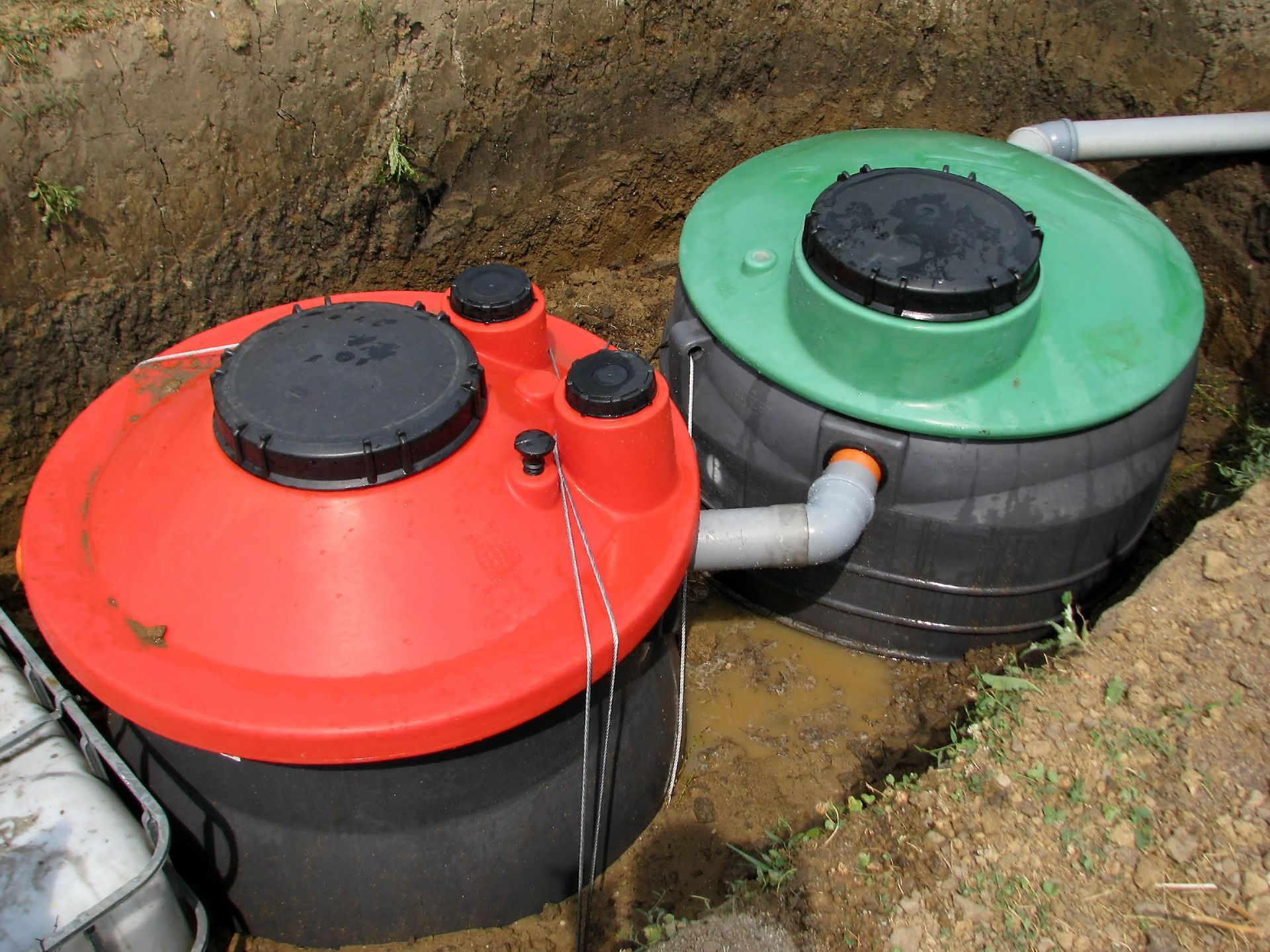
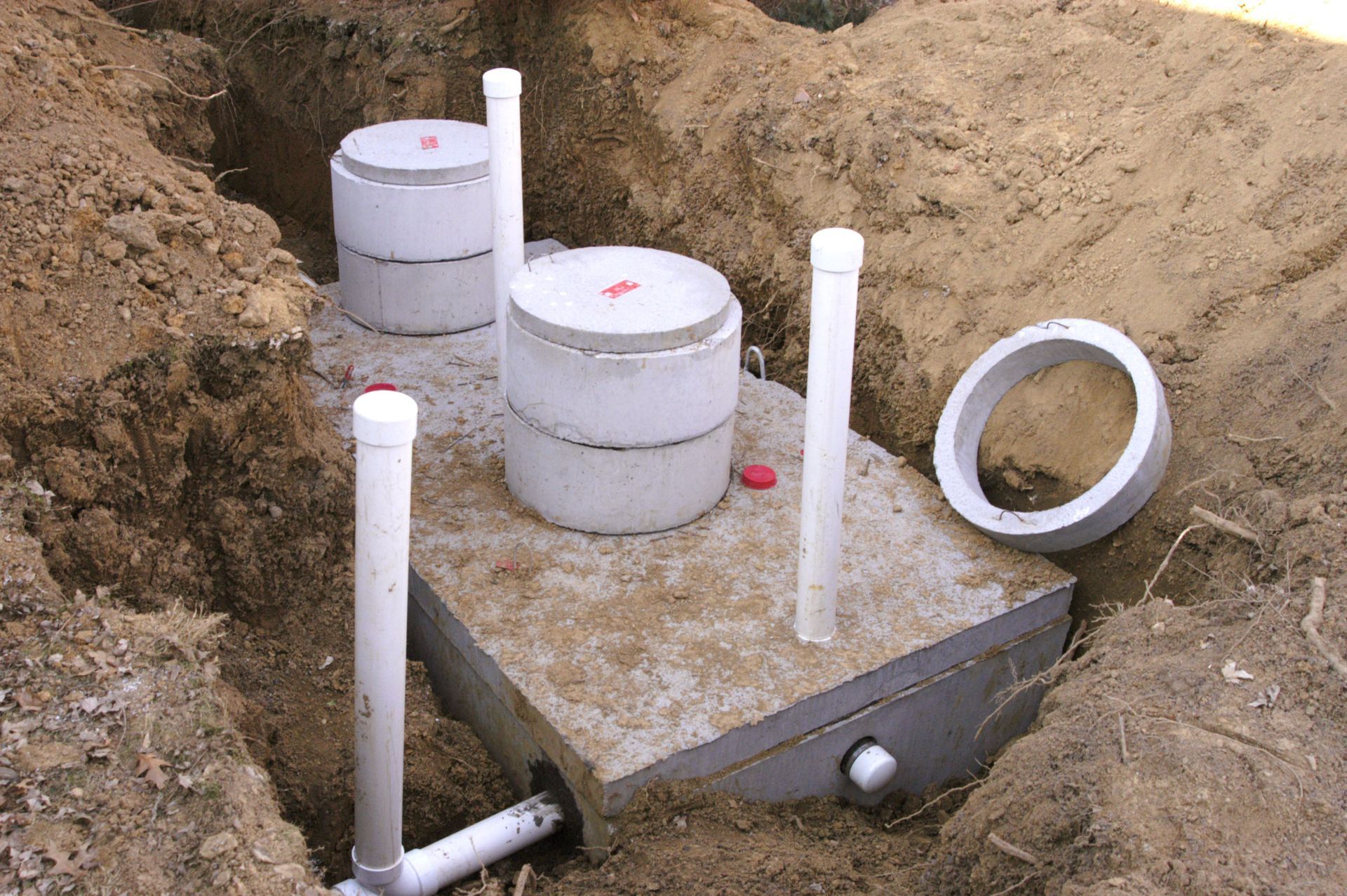
A septic system typically comprises three main components: the septic tank, the drain field, and the soil absorption area. The septic tank is the primary element where all household wastewater is collected. Inside the tank, solids settle at the bottom while oils and grease float to the top, forming scum. The partially treated liquid waste, or effluent, flows into the drain field through perforated pipes laid in trenches. The soil absorption area plays a critical role, filtering and treating the effluent through biological processes in the soil.
Septic System Operation
Septic systems operate under a simple principle of separation and decomposition of waste through natural bacterial action. Bacteria in the septic tank help break down biodegradable materials, partially treating the liquid waste before it is discharged into the drain field. This process not only aids in reducing the volume of solid waste but also ensures the safe liquefaction process. The drain field acts as a biological filter, providing additional treatment of the wastewater before it is released into the surrounding environment. The final steps occur in the soil absorption area, where natural microorganisms complete the treatment process.
Common Types of Septic Systems
There are various kinds of septic systems tailored to match different home needs and environmental conditions. The standard septic system, most common in the United States, consists of a conventional septic tank and drain field. Alternative systems, such as mound systems, are designed for areas with high water tables or shallow soil depths. Aerobic treatment units introduce oxygen to support bacterial activity and are used in homes requiring more complex systems for waste treatment. It is crucial for homeowners to be aware of which system they have to ensure proper maintenance and septic inspection.
Signs of a Malfunctioning System
Indications of septic system malfunctions can be both obvious and subtle. Slow drains within the home often serve as the first noticeable sign that a septic system may not be functioning properly. Foul odors emanating from drains or around the septic area can also indicate that there is an issue needing attention. Pooling water above the drain field or lush patches of grass growing faster than the surrounding area may also point to system failure. Awareness of these signs can prompt timely inspections and necessary repairs, preventing more significant issues down the line.
Importance of Regular Maintenance
Additionally, regular maintenance of septic systems is essential to their longevity and efficiency. Routine inspections allow for early detection of potential issues, preventing costly malfunctions and system failures. Neglect in maintaining a septic system can lead to serious health implications, environmental contamination, and a lower property value. According to Precedence Research, in the U.S., over one in five households use decentralized septic or small community cluster wastewater systems, yet only a quarter have regular septic checks.
Benefits of Regular Septic Inspections
Prevention of System Failures
Regular septic inspections provide homeowners with peace of mind by detecting early signs of system failure. Identifying these issues beforehand prevents them from escalating into costly repairs or replacements. Professional inspectors are trained to spot problems invisible to the untrained eye, such as undetected leaks or poor drainage. During these inspections, recommendations are made for any necessary adjustments or repairs, reducing the likelihood of system failure. Preventive maintenance is therefore a major factor in safeguarding a homeowner's investment.
Cost Savings
Investing in regular septic inspections can significantly reduce long-term expenses for homeowners. Identifying and repairing issues in their early stages is far less costly than addressing major system malfunctions. A functional septic system also enhances water efficiency within the household, translating into lower utility bills. When homeowners neglect their systems, the eventual costs to replace or repair can be exorbitant, deterring interest in home sales and decreasing property value. By choosing routine inspections, homeowners can maintain the system's health, avoiding unexpected expenses.
Extending System Lifespan
Regular maintenance directly contributes to the prolonged lifespan of septic systems. Inspections keep the system functioning properly, as maintenance extends the life of each component, reducing wear and tear. A well-maintained system can last decades, while a neglected one may require costly replacements long before the expected lifetime. The cumulative effect of timely inspections and maintenance ensures that every part of the septic system remains operational. Homeowners can savor the financial and environmental benefits of a long-lasting, efficient septic system.
Protecting Environmental Health
Septic systems play a pivotal role in environmental protection, benefiting both the property and the larger ecosystem. Unchecked systems can lead to groundwater contamination, affecting local water quality and public health. Regular inspections ensure that the system is not leaking harmful substances, such as nitrates or phosphates, into the environment. A properly functioning system protects water bodies from eutrophication and prevents soil contamination. Ultimately, responsible management and septic inspection safeguard natural resources and promote community well-being.
Key Inspection Practices
Visual Inspections
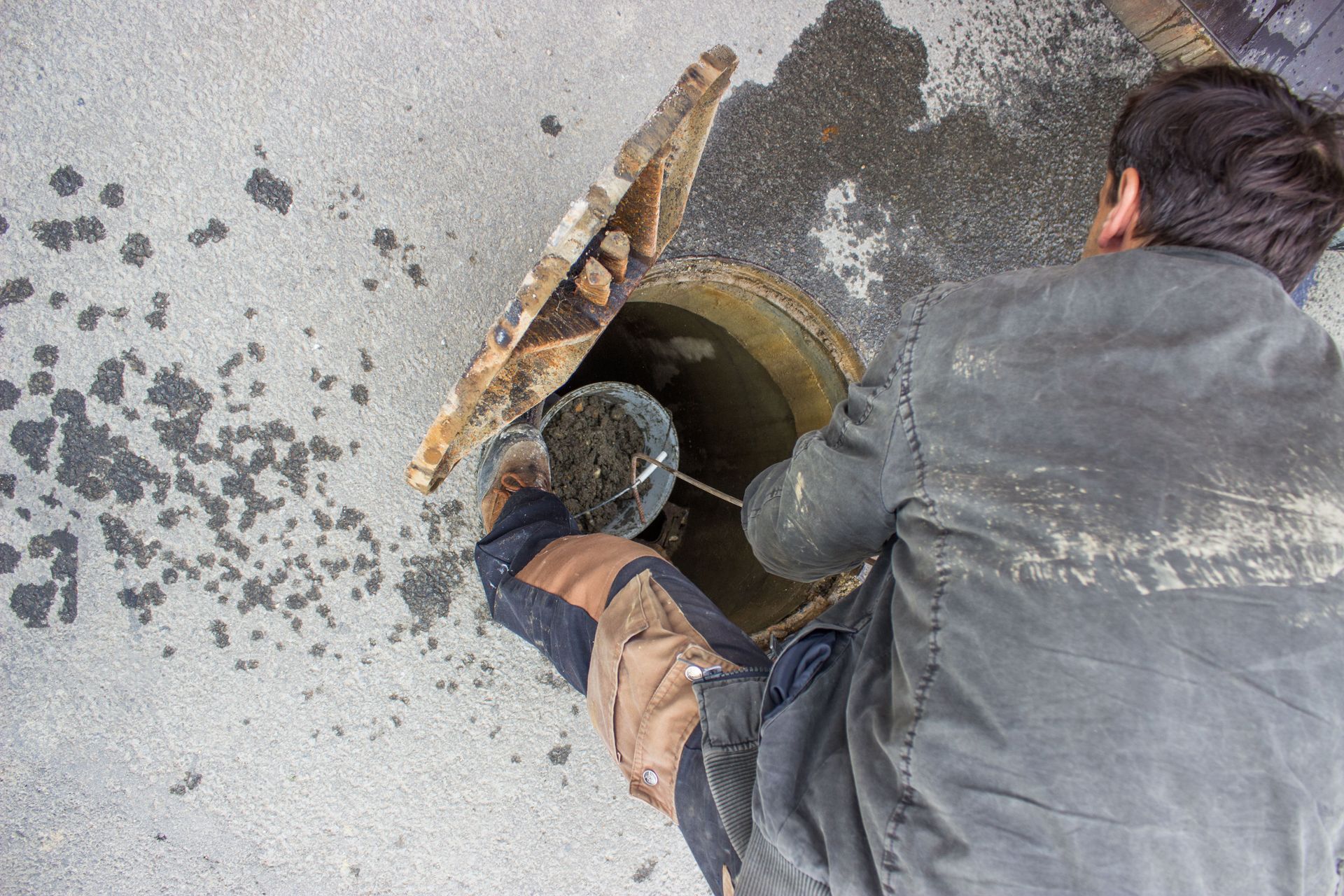
The initial step of any septic inspection includes a comprehensive visual assessment of accessible components. Inspectors will look for visible signs of wear, cracks, or leaks in the tank or pipes. Over time, natural elements and surrounding landscape changes can impact structural integrity, making visual checks crucial. Vegetation encroachment or evidence of improper drainage is also noted during these inspections.
Tank Pumping Evaluation
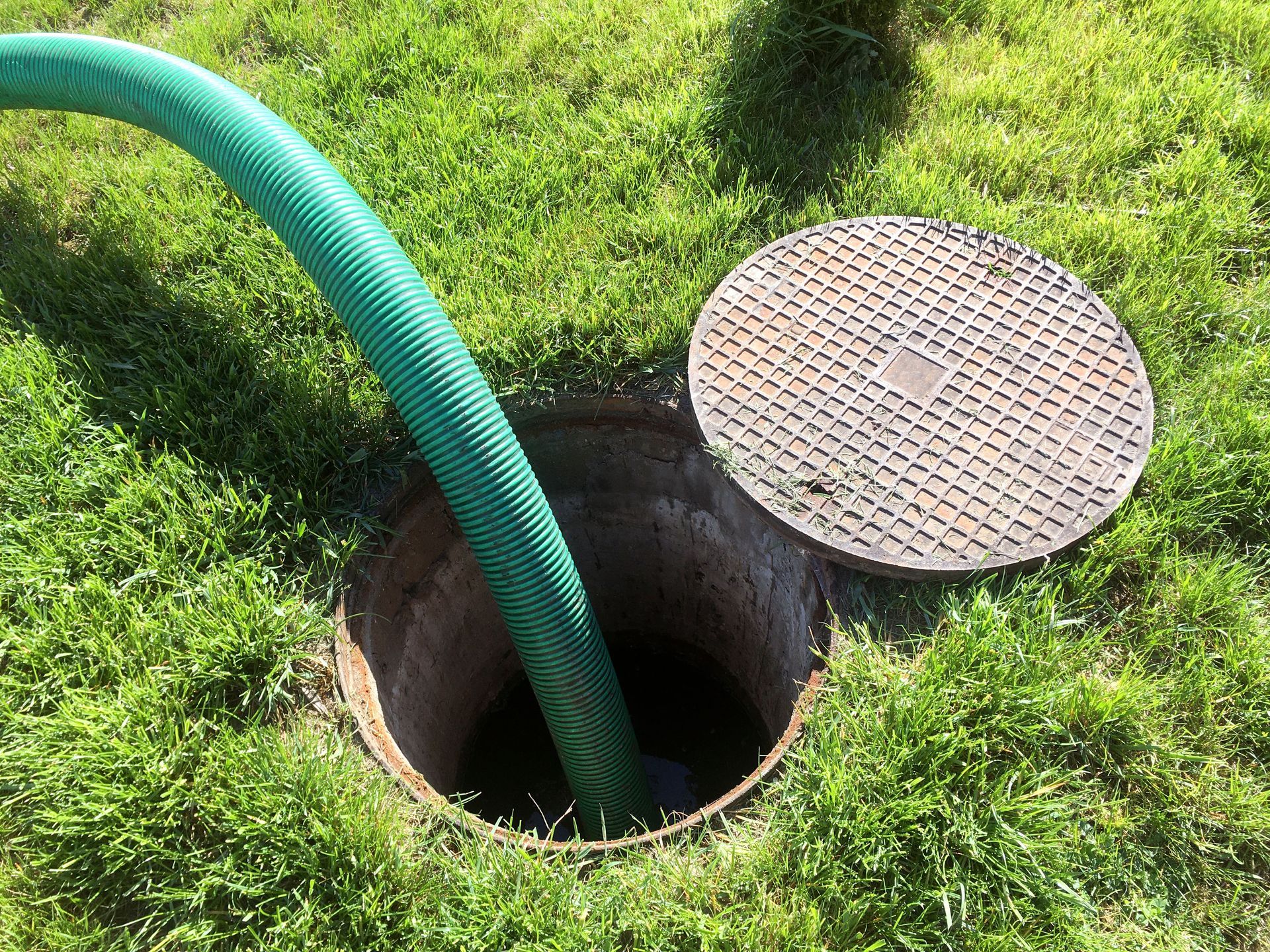
Determining the necessity for tank pumping is another integral part of the septic inspection process. Inspectors ascertain sludge and scum levels within the tank, which require regular monitoring to prevent overflow or blockage. Optimal sludge levels ensure the tank processes waste correctly and does not cause strain on the entire system. Based on inspections, a schedule for regular pumping is established, tailored to household usage and tank capacity.
System Testing and Diagnostics
Thorough system testing and diagnostics are essential components of a septic inspection. Tests are conducted to detect leaks, measure effluent distribution, and verify bacteria levels within the system. Advanced diagnostics focus on evaluating backflow prevention and the timing of release into the drain field. These procedures ensure a thorough understanding of the system's functional status, highlighting areas needing adjustments.
Inspection Frequency
Septic inspection frequency depends on the type of septic system, household size, and the age of the installation. Conventional systems are generally inspected every three years, while alternative systems may require more frequent checks. Local building codes often dictate minimum inspection intervals for compliance, making it vital for homeowners to plan accordingly. Accumulation of waste products, household changes, or system additions can necessitate altered inspection schedules.
Regular septic inspections are essential for maintaining system health, saving costs, and protecting the environment. By ensuring system functionality and preventing degradation, homeowners protect their investments and contribute to community ecological welfare. Emphasizing proactive management through professional inspections promotes longevity and addresses household water processing needs. To schedule a septic inspection, contact us at Southern Septic today.
Share On: