6 Simple Septic Inspections That Prevent Damage
Preventing home damage often starts with the systems hidden beneath your yard. Maintaining a waste management system avoids costly disasters and ensures your home runs smoothly. Neglecting these underground systems can lead to structural issues and property contamination. Regular monitoring keeps your property safe.
Homeowners frequently overlook what happens below the grass until an emergency occurs. Taking a proactive approach shifts your focus from expensive emergency repairs to simple, routine care. Investing a little time into understanding your waste system shields your wallet and your property from unexpected stress.
Failing to monitor your system can decrease your overall property value. Buyers look for well-maintained utilities when purchasing a house. A certified history of consistent upkeep proves that your home is a safe investment. Taking care of your utilities today secures your financial future tomorrow.
1. Evaluate the Drainfield Area
Walk across your yard to check the grass above your filtration zone. Spongy soil or unusually vibrant green patches indicate that your system is struggling to process liquid waste efficiently. Pooling water is a critical warning sign that requires immediate professional evaluation from an expert team.
Isolating this zone from heavy vehicles prevents structural collapse. Parking cars or driving machinery over this area crushes underground pipes and compacts the soil. Keeping this space clear ensures that wastewater filters naturally through the ground without obstruction or sudden geometric shifting.
Healthy soil absorption requires a balance of oxygen and loose dirt. Compacted earth starves the beneficial bacteria needed to break down organic material. When these microbes die off, the entire filtration process grinds to a halt, forcing raw sewage to rise to the surface.
Look closely at the types of plants growing near your absorption lines. Deep-rooted trees and aggressive shrubs can penetrate subterranean pipe perforations, creating massive blockages. Removing large flora from the perimeter prevents root intrusion and keeps your system flowing smoothly.
2. Monitor Interior Drainage Speed
Watch how quickly water leaves your sinks, showers, and toilets. Slow drainage across multiple fixtures usually points to a central blockage rather than a simple clogged pipe. Recognizing these early signs allows you to address the bottleneck before waste backs up into your living spaces.
Gurgling noises from your pipes signal trapped air and system distress. If your plumbing makes strange sounds when the washing machine drains, your underground tank might be reaching its capacity. Routine septic inspections catch these issues early, keeping your home clean, functional, and completely dry.
Ignoring sluggish drains often leads to fixture overflows that damage your flooring. When wastewater cannot move forward, it seeks the lowest exit point in your home. This typically results in ruined basement carpets or contaminated bathroom tiles that require professional remediation.
Plumbing fixtures require free-flowing exit pathways to maintain appropriate household sanitation. When multiple drains fail simultaneously, chemical cleaners will not solve the underlying problem. Professional septic inspections determine whether the slowdown stems from a clogged pipeline or a completely filled reservoir.
3. Check the Baffle Screens
Examine the internal components that prevent solid waste from entering your absorption field. These protective barriers catch floating debris and grease before they can clog downstream pipes. Over time, these filters accumulate thick buildup that blocks the natural flow of wastewater through the chambers.
Cleaning these components maintains the balance of your entire system. Homeowners who schedule routine maintenance prevent solids from escaping the tank and ruining the surrounding soil. Clean filters mean your system can operate efficiently without the risk of sudden, messy backups into your yard.
A damaged filter allows suspended particles to travel directly into the soil treatment area. Once these particles settle in the gravel trenches, they form an impermeable layer that blocks water absorption. Replacing a ruined drainfield is significantly more expensive than checking a simple screen.
Most modern waste systems feature accessible filters designed for easy extraction. Extracting these components requires specialized safety gear due to harmful sewer gases. Utilizing professional septic inspections ensures these delicate filters are rinsed thoroughly and reinstalled without compromising your household safety.
4. Track Your Pumping Schedule
Keeping a detailed log of your system maintenance prevents long-term structural failure. The frequency of cleanouts depends heavily on how many people live in your household and your daily water consumption. Forgetting the date of your last service invites unexpected operational failures and foul odors.
According to EPA maintenance guidance, most household septic tanks require pumping on a three to five-year cycle depending on usage, household size, and system design. Staying within this window ensures that solids do not accumulate to dangerous levels inside your main holding chamber.
Failing to clear out accumulated sludge reduces the total functional volume of your tank. When the liquid zone becomes too small, wastewater passes through too quickly to separate properly. This systemic failure sends grease and heavy solids directly into your clean drainage lines.
- Log every service date in a dedicated home maintenance journal.
- Note any specific recommendations provided by your technician during visits.
- Track the volume of solid waste removed during each service appointment.
- Set digital reminders for your next recommended maintenance window.
5. Inspect the Tank Lids
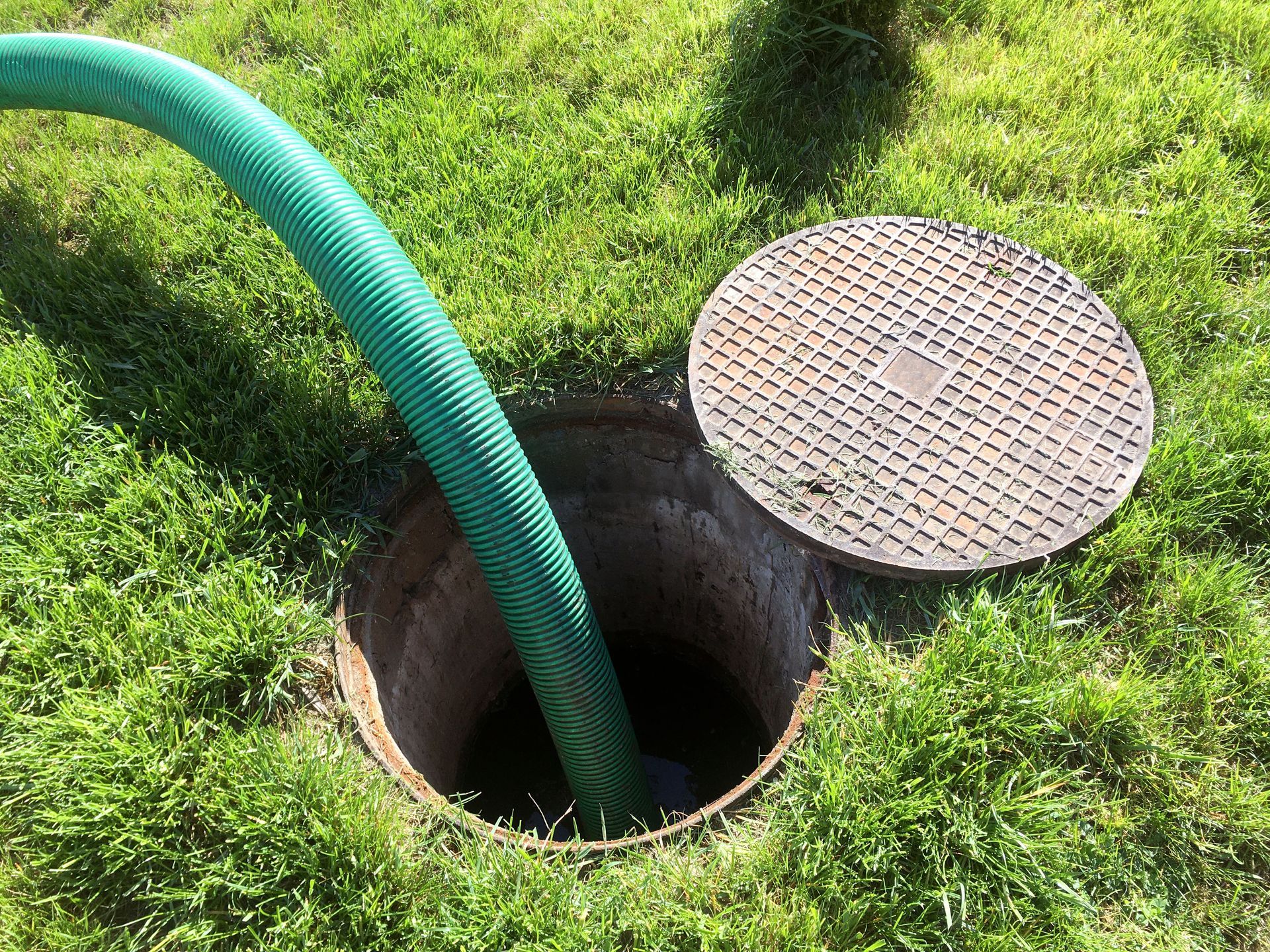
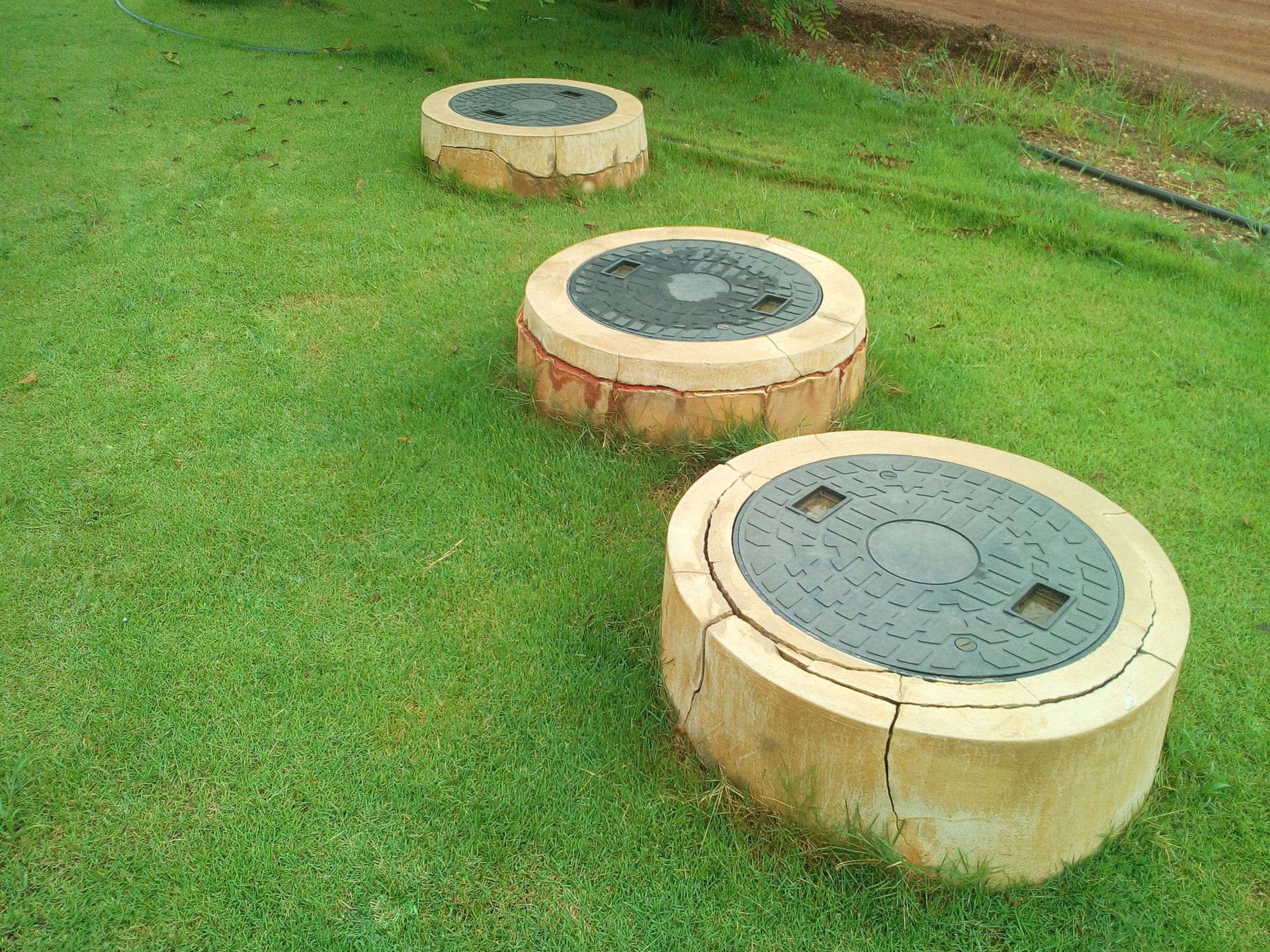
Locate the access covers in your yard to ensure they remain secure and undamaged. Cracked or shifting lids pose serious safety hazards to children and pets playing outside. Furthermore, damaged covers allow surface water from heavy rain to flood your underground system during storms.
Securing these access points prevents dirt, grass clippings, and debris from falling inside. Flooding from rainwater forces your system to handle excess volume, which washes away beneficial bacteria. Keeping lids sealed tight protects the internal environment and preserves your overall structural integrity.
Rising groundwater can easily displace an unsealed or lightweight fiberglass riser cover. When a cover shifts, it exposes an open pit that creates an immediate falling hazard. Ensuring your access ports feature heavy, lockable lids keeps your family safe and your system isolated.
Routinely verifying the seals around your risers prevents unpleasant odors from escaping into your outdoor living spaces. Cracked concrete lids let sewer gases drift across your lawn, ruining outdoor activities. Incorporating cover checks into your septic inspections guarantees a secure, odorless backyard environment.
6. Observe Water Usage Habits
Analyze how much water your household discharges during peak times of the day. Spacing out large laundry loads prevents the tank from becoming overwhelmed by a sudden deluge. Giving your system time to process waste ensures proper separation of solids and liquids within the chamber.
Modifying your daily routines directly extends the lifespan of your underground plumbing network. Excessive water use forces unseparated solids into the drainage area, causing severe friction and clogging. Simple conservation habits protect your property investment from self-inflicted plumbing strain and premature failure.
High-efficiency appliances significantly minimize the daily stress placed on your waste utilities. Modern washing machines use a fraction of the water required by older, traditional models. Upgrading your household appliances helps protect your drainage field from becoming saturated with excess graywater.
- Install low-flow showerheads to reduce daily wastewater volume.
- Run the dishwasher only when it is completely full.
- Fix leaky faucets immediately to stop continuous water trickling.
- Spread laundry tasks across the entire week instead of a single day.
Managing your home plumbing involves being aware of warning signs before they escalate into major disasters. Consistent oversight keeps your property clean and prevents smelly, costly emergencies under your lawn. Prioritizing routine septic inspections protects your family, preserves your yard, and secures your peace of mind.
Professional septic inspections eliminate guesswork and catch hidden flaws before they ruin your day. Expert technicians possess the specialized tools needed to analyze your system safely and accurately without damaging your landscape. Do not wait for a major backup to destroy your beautiful property or disrupt your daily routine.
Take charge of your home maintenance before a small issue becomes a catastrophic emergency. Regular diagnostic checks save thousands of dollars in property damage and ensure a clean environment for your household. Schedule your next system checkup with Southern Septic today to keep your home safe.
Share On: