5 Hidden Costs of Skipping a Septic Pump Out

November 14, 2025

Homeownership comes with a long list of responsibilities, many of which are easy to overlook until a problem arises. One such responsibility is maintaining your septic system. While it may seem like an out-of-sight, out-of-mind aspect of your home, neglecting proper septic care can lead to unexpected and costly issues. A regular septic pump out is essential for preventing these problems before they spiral out of control.


Septic systems are complex, and issues often develop silently over time. Without regular inspections and maintenance, small problems can escalate into major headaches that disrupt your daily life and drain your finances. Understanding what’s at stake can help homeowners prioritize septic care before it becomes an emergency.


Many homeowners assume that septic systems are low-maintenance or that they can “wait and see” if issues develop. Unfortunately, this mindset can lead to serious consequences. Skipping routine maintenance can result in hidden costs that are often far greater than the price of a timely pump out. Understanding these potential costs can help homeowners make informed decisions and protect both their property and their wallets.


1. Triggering Costly Emergency Repairs

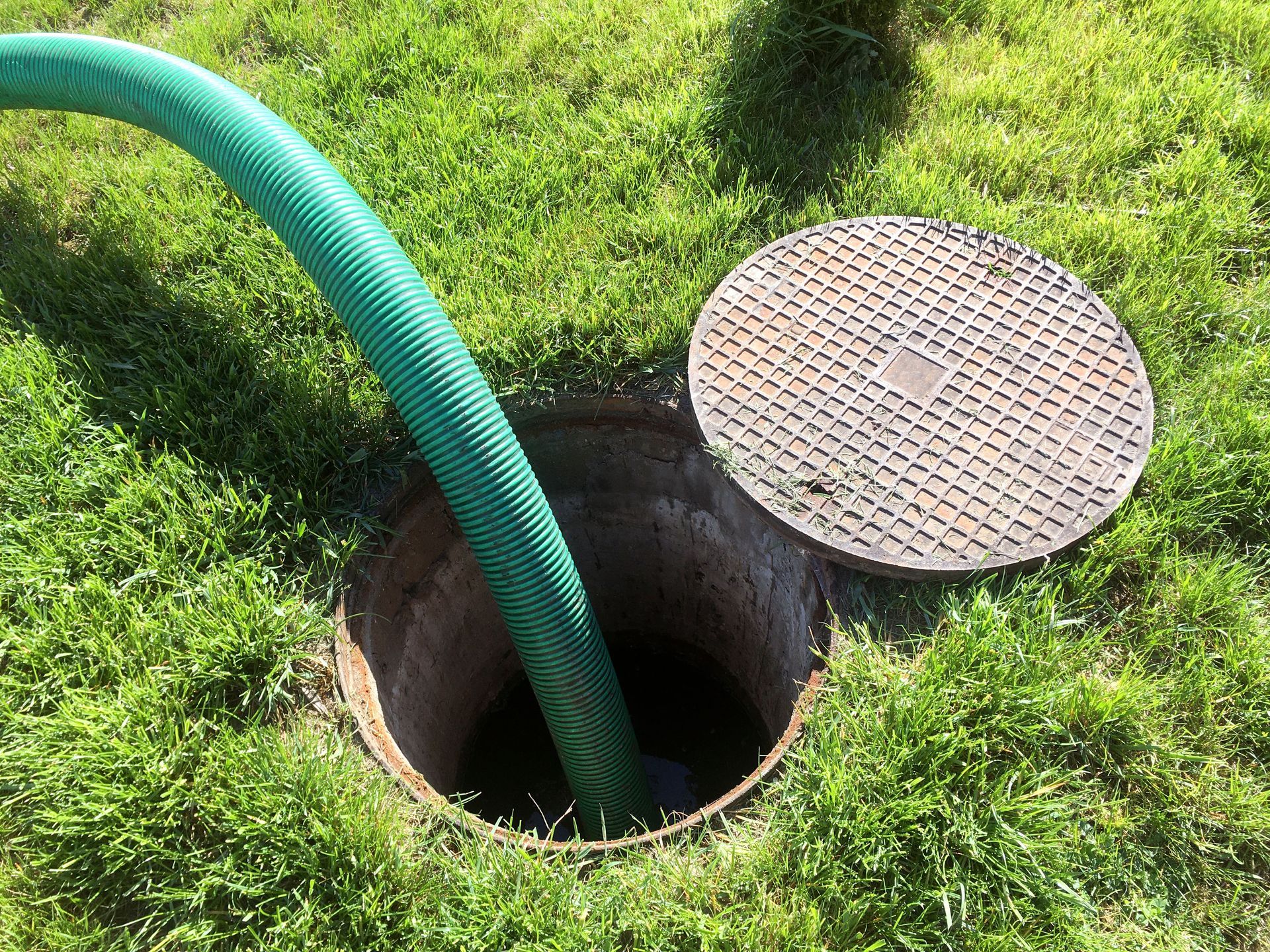
When a septic system isn’t regularly pumped, solid waste can build up and clog the tank or drain field. Over time, this can lead to backups in your plumbing, resulting in sewage appearing in sinks, toilets, or even your yard. These situations are not only unpleasant but require immediate professional attention, which is significantly more expensive than regular maintenance.


Emergency septic repairs often involve labor-intensive work, including tank cleaning, pipe replacement, or even partial system reconstruction. Costs can quickly escalate into thousands of dollars depending on the severity of the problem. Many homeowners find that the expense of a neglected septic system far exceeds the routine cost of a septic pump out.


An unmaintained system may fail unexpectedly, causing damage to the surrounding landscape or structural components of your home. Repairing this type of damage often requires additional contractors, further increasing costs. By investing in regular maintenance, homeowners can avoid these surprise expenses and maintain peace of mind. Regular care also helps extend the lifespan of your septic system, ensuring it operates efficiently for years to come.


2. Reducing Your Home’s Market Value

A malfunctioning septic system doesn’t just create immediate headaches; it can also impact your home’s long-term value. Potential buyers are often wary of properties with septic issues due to the high cost and inconvenience of repairs. Even if your system appears to be functioning, a history of neglect can raise red flags during inspections. This concern can make it harder to attract serious buyers, even if the rest of the home is in excellent condition.


According to This Old House, around 25% of U.S. households rely on septic systems. With such a large portion of homes depending on this infrastructure, buyers are particularly attentive to the condition of the system. Homes with poorly maintained septic tanks may linger on the market longer, and sellers often have to lower their asking price to compensate for the perceived risk.


In addition to lowering resale value, a failing septic system can also complicate refinancing or home equity loans. Lenders frequently require proof that the septic system is in good working order. Skipping a septic pump out can create unnecessary obstacles when it comes time to sell or refinance your home, making it clear that regular maintenance is an investment in your property’s future.


3. Spreading Health and Environmental Hazards

Neglecting your septic system isn’t just a financial risk; it’s a health risk as well. When a system fails, untreated sewage can leak into the soil or nearby water sources, introducing harmful bacteria and pathogens. These contaminants pose serious health threats to your family, pets, and community.


Beyond personal health concerns, a failing septic system can cause environmental damage. Sewage leaks can pollute groundwater, harm plant life, and disrupt local ecosystems. In addition, contaminated water sources can affect neighboring properties and local wildlife, creating broader community concerns. This type of contamination can require expensive environmental remediation and may even result in fines if regulations are violated.


Scheduling a regular septic pump out helps mitigate these risks by preventing solid waste buildup and ensuring that the system functions efficiently. Maintaining a healthy septic system protects both the environment and your family’s well-being, providing peace of mind that the home is safe for everyone. Routine maintenance also reduces the chance of sudden system failures that can cause costly cleanup efforts.


4. Damaging Your Plumbing System

Your home’s plumbing is intimately connected to your septic system. When the system is neglected, clogs and overflows become more likely, placing significant stress on pipes, fixtures, and drains. Over time, this added stress can shorten the lifespan of your plumbing and lead to frequent, costly maintenance issues. This can lead to leaks, corrosion, or even broken pipes, all of which require costly repairs or replacements.


Even minor plumbing issues caused by a full septic tank can result in water damage, mold growth, and unpleasant odors. Ignoring these early warning signs can escalate problems, leading to extensive remodeling work or replacement of key plumbing components. The financial burden of these repairs is often far higher than the cost of regular maintenance.


Preventative care, including a scheduled septic pump out, ensures that waste flows properly through your system and that plumbing components aren’t exposed to unnecessary strain. Maintaining your septic system is, in many ways, an investment in the longevity of your home’s plumbing infrastructure.


5. Racking Up Hidden Household Costs

Beyond obvious repairs and property concerns, neglecting septic maintenance can generate a range of hidden household costs. For example, frequent use of chemical drain cleaners to address slow drains can damage pipes and harm the septic system itself. Additionally, lingering odors, minor leaks, and recurring backups may prompt homeowners to hire temporary solutions such as portable toilets or water filtration systems.


These incremental expenses may seem minor at first, but can quickly accumulate over months or years. Regular maintenance, including a septic pump out, prevents these recurring costs by keeping the system functioning efficiently. In the long run, a small, planned investment in your septic system is far cheaper than addressing ongoing issues piecemeal.


Proactively managing your septic system also reduces the likelihood of lifestyle disruptions. Household routines remain uninterrupted, and homeowners can avoid the stress and inconvenience of dealing with frequent plumbing failures. These indirect costs, though often overlooked, represent a significant financial and emotional toll.


While it may be tempting to postpone or ignore septic system maintenance, the hidden costs of skipping a septic pump out are substantial. From emergency repairs and plumbing damage to property devaluation and health risks, neglecting your system can have long-lasting consequences that extend far beyond the initial inconvenience. Proactive care is a smart financial strategy for homeowners.


Taking a proactive approach also ensures that your home remains safe, comfortable, and environmentally responsible. Scheduling regular maintenance protects your family, preserves your property’s value, and prevents the emotional stress of unexpected system failures. Investing in your septic system today is a simple step that can save you thousands of dollars and countless headaches in the future.


Protect your home and avoid costly repairs by scheduling a septic pump out with Southern Septic today. Our experienced team is ready to keep your system running smoothly and give you peace of mind.
5 Hidden Costs of Skipping a Septic Pump Out
March 16, 2026
Maintaining a functional home in Palm Beach, Martin, or Broward County requires more than just aesthetic upkeep; it demands a deep understanding of the invisible infrastructure that keeps your household running. For many residents in these areas, the septic system is the most vital piece of that infrastructure. While it's easy to adopt an out-of-sight, out-of-mind mentality, neglecting your septic system can lead to catastrophic financial and environmental consequences. Southern Septic has spent over two decades helping Florida homeowners navigate the complexities of wastewater management, and we've identified specific moments where a professional evaluation isn't just recommended but necessary. 1. When Purchasing a New Property The excitement of buying a new home in South Florida can often overshadow the technical details of the property’s utilities. However, entering into a real estate contract without a thorough septic inspection is a significant gamble. Standard home inspectors typically only check if the toilets flush and the sinks drain, which doesn't provide a complete picture of the underground tank or the drain field's health. A dedicated inspection ensures that the current system is sized correctly for the home and is functioning without leaks or structural failures. This is the stage where you determine if the previous owners invested in a quality septic installation or if they cut corners that will now cost you money. By uncovering issues before the closing date, you can negotiate repairs or replacements, ensuring that your new investment remains a sanctuary rather than a source of stress. 2. When Planning a Home Expansion Homeowners often look to add value to their property by building an extra bedroom or a mother-in-law suite. Before you break ground on any renovation, you must consider the increased load on your wastewater system. The capacity of your tank is directly tied to the number of potential occupants in the home. According to NerdWallet, for a two-bedroom home, a 750-gallon septic tank is generally sufficient, whereas a 1,000-gallon system is better suited for residences with three or four bedrooms. If your expansion moves your home from a two-bedroom to a three-bedroom category, your existing system may no longer be compliant or capable of handling the flow. In these instances, a professional inspection will determine if your current setup can be modified or if the project necessitates an entirely new septic installation to meet the legal and functional requirements of the expanded living space. 3. When Experiencing Heavy Tropical Rainfall Living in Palm Beach or Broward County means dealing with intense seasonal storms and heavy tropical downpours. These weather events can saturate the ground, putting immense pressure on your drain field and potentially causing a backup into your home. If you notice that your yard remains soggy long after a storm has passed, or if you hear gurgling sounds in your pipes during a rain event, your system is struggling to process effluent against the rising groundwater. An inspection following a major storm can identify if the soil has become compacted or if debris has entered the tank. Professionals can then advise if your system simply needs time to dry out or if the structural integrity has been compromised to the point where a new septic installation is the only way to restore proper drainage and protect your property from future flooding. 4. When Noticing Unusually Lush Vegetation While a green lawn is usually a point of pride for Florida homeowners, patches of grass that are significantly greener or faster-growing than the rest of the yard can be a major red flag. This phenomenon often occurs directly over the tank or the drain field, indicating that the soil is being fertilized by leaking wastewater. These extra moisture and nutrient boosts are signs that the effluent isn't being filtered properly through the soil or that the tank itself has a structural crack. Ignoring these "hot spots" can lead to groundwater contamination and the eventual complete failure of the system. A master contractor can dig into the root cause of this localized growth to see if a repair is possible or if the degradation of the components is so advanced that a full septic installation is required to protect the local ecosystem. 5. When Detecting Persistent Foul Odors The presence of a "rotten egg" or sulfur smell around your property or inside your home is one of the most urgent reasons to schedule an inspection. These odors are caused by escaping gases that should be contained within the system and vented properly. When the smell becomes persistent, it usually indicates a blockage, a full tank, or a failing drain field that is no longer venting gases correctly. This isn't just a nuisance; it's a health hazard for your family and neighbors. During an inspection, Southern Septic technicians use specialized tools to locate the source of the odor. Often, these smells are the final warning sign before a total system collapse, making it imperative to act quickly to see if the situation can be salvaged or if the system has reached the end of its lifespan and requires a modern septic installation. 6. When Preparing for Significant Paving Projects Many homeowners decide to install a new driveway, a backyard patio, or a pool deck without considering the location of their underground septic components. Heavy machinery and the weight of permanent structures can crush pipes or compact the soil over the drain field, effectively suffocating the system’s ability to breathe and filter water. Before any heavy equipment arrives on your property, a septic inspection is crucial to mark out the exact boundaries of your system. This allows you to plan your landscaping or construction projects safely away from sensitive areas. If you find that your planned improvements must overlap with the septic area, a professional can help you navigate the necessary redesigns, which might include moving the system via a new septic installation to a different part of the lot to accommodate your vision. 7. When Suspecting a Clog in the Main Line If you find that multiple drains in your house are sluggish or that water is backing up into the bathtub when you run the washing machine, the problem is likely deeper than a simple sink clog. These symptoms point to a restriction in the main sewer line or a full septic tank that can no longer accept new waste. Continuing to use your plumbing under these conditions will inevitably lead to a messy and expensive backup inside your home. An inspection involving camera line technology can see exactly what is happening inside the pipes without tearing up your yard. This diagnostic approach helps determine if the issue is a temporary blockage caused by invasive tree roots or if the pipes have collapsed entirely, necessitating a professional septic installation to restore the flow of wastewater away from your living areas. Maintaining a septic system is an ongoing responsibility that requires vigilance and professional partnership. Whether you're dealing with the aftermath of a Florida storm, preparing for a home renovation, or simply keeping up with the passage of time, an inspection provides the clarity needed to make smart decisions. Southern Septic remains dedicated to providing the residents of Palm Beach, Martin, and Broward Counties with the expertise required to keep these systems running smoothly. Don’t wait until a minor septic issue turns into a major problem. Whether you need routine septic pumping, an inspection, or emergency service, our experienced team at Southern Septic is ready to help. Contact us today.
septic repair
March 16, 2026
By prioritizing septic repair, homeowners contribute to reliable sanitation systems that benefit both individual properties and the wider community.
grease trap testing service
February 19, 2026
Is your kitchen protected from backups, fines, and unexpected closures? Here’s how a grease trap testing service can help prevent disruptions.
More Posts →