What to Expect from a Quality Septic Installation: Longevity and Reliability
A septic system is one of those things homeowners rarely think about until something goes wrong. When installed correctly, it simply does its job quietly for decades. That is why understanding what makes a system reliable from the beginning matters so much. A thoughtful approach helps avoid stress, unexpected costs, and major disruptions later on.
When people hear the term septic installation, they often picture heavy equipment and trenches, but there is far more going on beneath the surface. From planning and materials to long-term care, every decision contributes to how well your system holds up over time.
Site Evaluation Sets the Foundation
Before any digging begins, a proper site evaluation lays the groundwork for a successful system. Soil type, drainage capability, slope, and groundwater levels all influence how well wastewater is treated once it leaves the tank. Ignoring these factors can lead to slow drainage, frequent backups, or drain field failure much sooner than expected. Professionals also look at seasonal changes, such as heavy rainfall or freezing conditions, that could affect how the system performs throughout the year. When experts take the time to thoroughly assess the land, they are setting the system up for long-term success rather than short-term convenience.
This stage of septic installation may feel invisible to homeowners, but it is one of the most important steps in the entire process. A well-chosen location reduces stress on the system, protects nearby wells and waterways, and promotes consistent daily performance. It also minimizes future repair needs by working with the natural characteristics of the property instead of against them. Starting with a strong foundation allows the entire system to function smoothly, efficiently, and reliably for years to come.
Smart Design Matches Your Household
A septic system should reflect how a household actually lives, not just what looks good on paper. The number of occupants, daily water usage habits, and even lifestyle routines all play a role in proper sizing. Homes with frequent guests, remote workers, or high-efficiency appliances can place different demands on a system. A system designed too small may struggle every day, leading to backups or slow drainage, while an oversized system can operate inefficiently. Good design finds the right balance so waste can move, settle, and be treated properly without putting unnecessary strain on any single component.
Thoughtful septic installation also considers flexibility and future planning. Families grow, homes are renovated, and water usage patterns naturally change over time. When a system is designed with some breathing room, it adapts more easily to those shifts instead of becoming overwhelmed. Homeowners often feel more confident knowing their system was built to support changing needs, not just current ones. Planning ahead helps protect performance, reduce service calls, and extend the overall lifespan of the system.
Quality Materials Make a Difference
Materials matter more than many homeowners realize. Tanks, piping, seals, and covers must withstand constant pressure from soil, groundwater, and daily household use. Cheaper or lower-quality components may save money upfront, but they often lead to cracks, leaks, and other failures that can be costly and disruptive to repair. Investing in durable materials from the start reduces the risk of premature system failure and helps ensure the septic system functions efficiently over time. High-quality components also resist corrosion, shifting soil, and root intrusion, which are common causes of long-term damage.
According to Forbes, the standard septic tank lasts 20 to 40 years, and the choice of materials plays a critical role in reaching that upper end of the lifespan. A septic installation built with longevity in mind allows homeowners to enjoy decades of reliable performance while minimizing repair needs and unexpected downtime. Using robust tanks, quality piping, and secure seals creates a system that is not only durable but also easier and safer to maintain over its lifetime.
Professional Installation Protects Performance
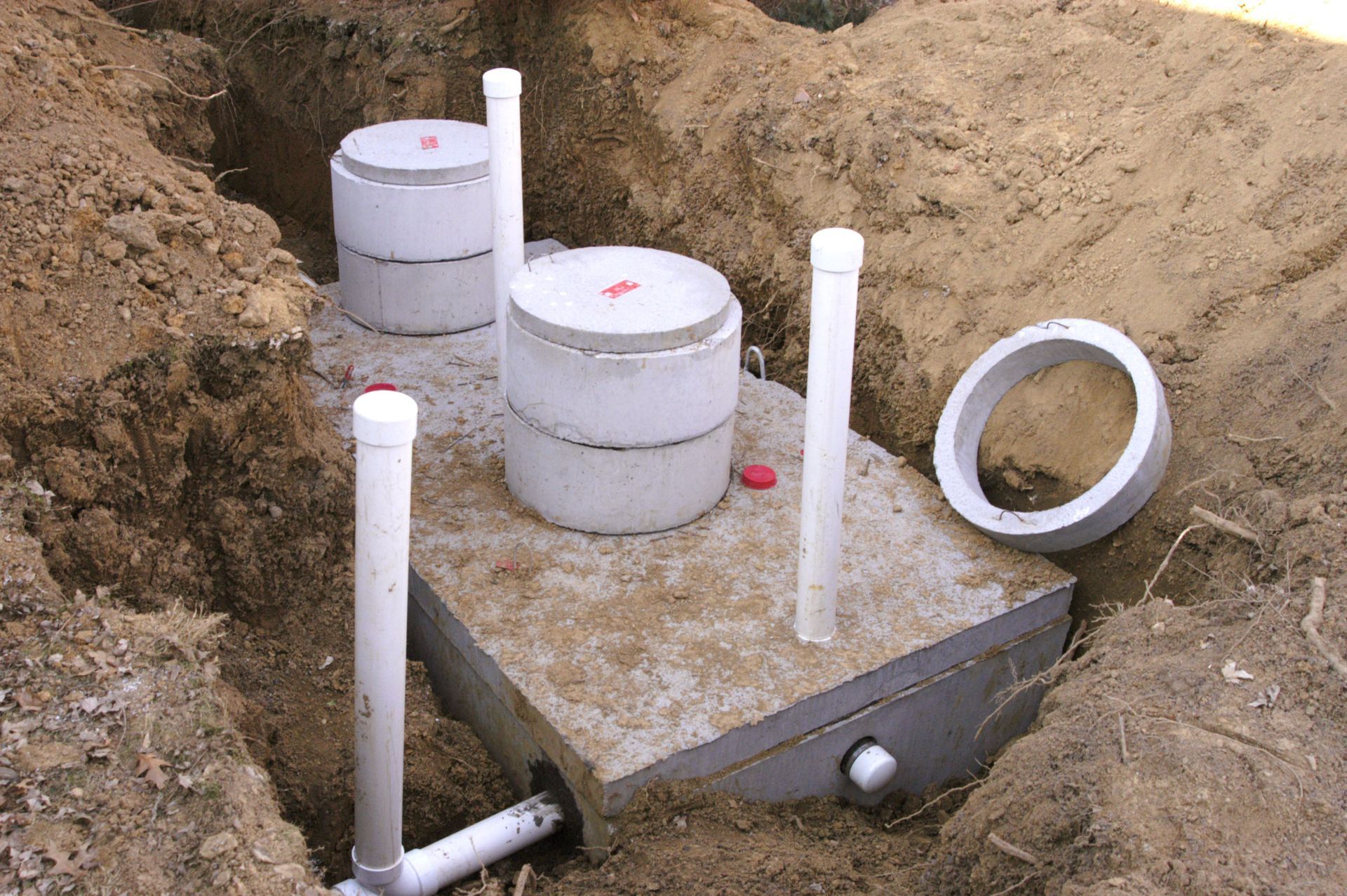
Even the best materials and thoughtful design can fail if the installation process is rushed or handled carelessly. Proper excavation, precise tank placement, and secure connections are critical to how efficiently a septic system functions. Even minor mistakes during installation, such as uneven leveling or improperly compacted soil, can lead to problems like backups, leaks, or uneven flow that may require costly and disruptive repairs down the line. Taking the time to do things right ensures the system operates as intended from day one.
An experienced septic installation team pays attention to details homeowners rarely see but rely on every day. Correct slopes, tightly sealed joints, and careful backfilling protect the system from future settling, erosion, or misalignment. Professionals also ensure accessibility for maintenance and inspections, which keeps the system running smoothly for years. Knowing skilled hands handled the installation brings peace of mind that the system will function efficiently, reliably, and with minimal risk of unexpected issues.
Maintenance Planning Starts on Day One
A reliable system does not depend on luck. Maintenance planning should begin as soon as installation is complete. Homeowners benefit from knowing when inspections and pumping should occur and what signs might indicate trouble. With a simple schedule, small issues stay manageable instead of turning into emergencies.
A well-maintained septic installation continues to treat waste efficiently while protecting the drain field from overload. Regular care extends system life, reduces odors, and minimizes unexpected repairs. Most homeowners find that preventative maintenance costs far less than waiting until something goes wrong.
Usage Habits Influence Longevity
Daily habits can quietly impact system health. Excessive water use, harsh chemicals, and flushing non-degradable items all place unnecessary strain on the system. These behaviors may not cause immediate issues, but over time they shorten lifespan and reduce efficiency. Awareness makes a noticeable difference.
When homeowners understand how their septic installation functions, they tend to make smarter choices without major lifestyle changes. Simple adjustments, like spacing out laundry loads or being mindful of what goes down the drain, help the system operate under ideal conditions instead of constant pressure.
Long-Term Value Brings Peace of Mind
A properly built septic system adds real value to a home, both financially and practically. Buyers often look closely at system age, condition, and maintenance history because they understand how expensive unexpected septic problems can be. A well-documented, professionally installed system shows that the home has been cared for responsibly. Inspection reports, service records, and clear installation details all help reduce hesitation during the buying process. When buyers see that the septic system has been thoughtfully planned and maintained, they feel more comfortable moving forward without worrying about immediate repairs or replacement costs.
That confidence can directly influence resale negotiations. Homes with reliable septic systems are less likely to face last-minute delays, repair demands, or price reductions tied to inspection findings. In many cases, a quality system becomes a selling point rather than a concern, especially in rural or semi-rural areas where septic performance matters greatly. Buyers want reassurance that the system will function well long after closing, and a strong installation history provides exactly that.
Beyond property value, quality septic installation offers peace of mind for homeowners living in the home every day. Instead of worrying about backups, odors, slow drains, or system failures, homeowners can trust that everything is working as it should. That sense of reliability makes daily routines smoother and removes a major source of hidden stress. When the system performs quietly and consistently, life feels easier and more predictable. For dependable service, long-term reliability, and honest guidance, contact Southern Septic.
Share On: