Avoid Surprises: The Importance of Routine Septic Inspection
Septic systems are vital components of many home infrastructures, especially in rural and suburban areas where sewer systems are not available. These systems are responsible for treating and disposing of household wastewater, and thus, are critical to maintaining a sanitary living environment. Without proper attention and regular maintenance, septic systems can become a homeowner's nightmare, leading to significant environmental and financial issues. As such, understanding the importance of routine septic inspections can help homeowners avoid unforeseen problems. Furthermore, neglecting septic system maintenance often leads to issues such as foul odors, backups, and costly repairs.
Understanding the Basics of Septic Systems
Components of a Septic System
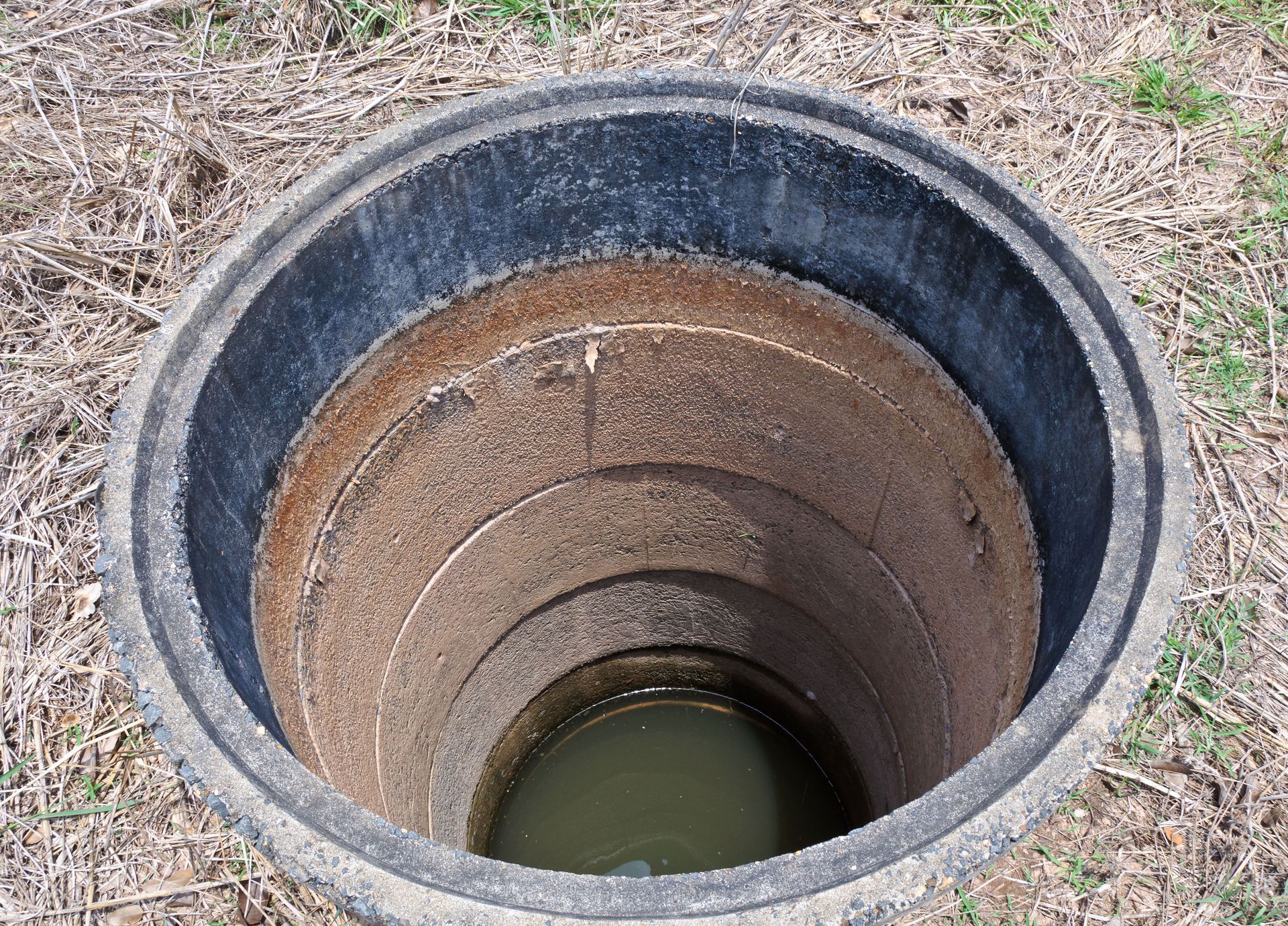
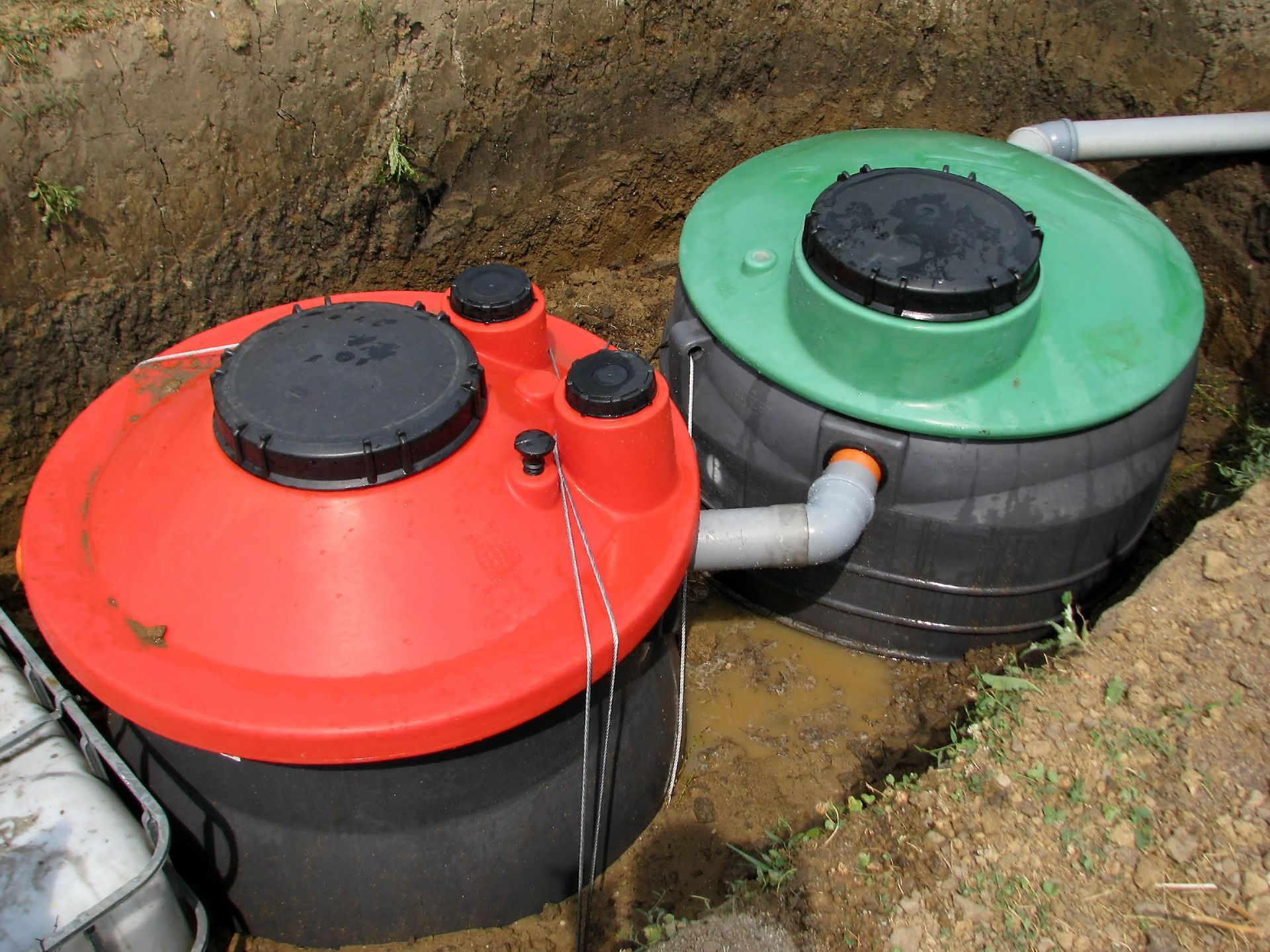
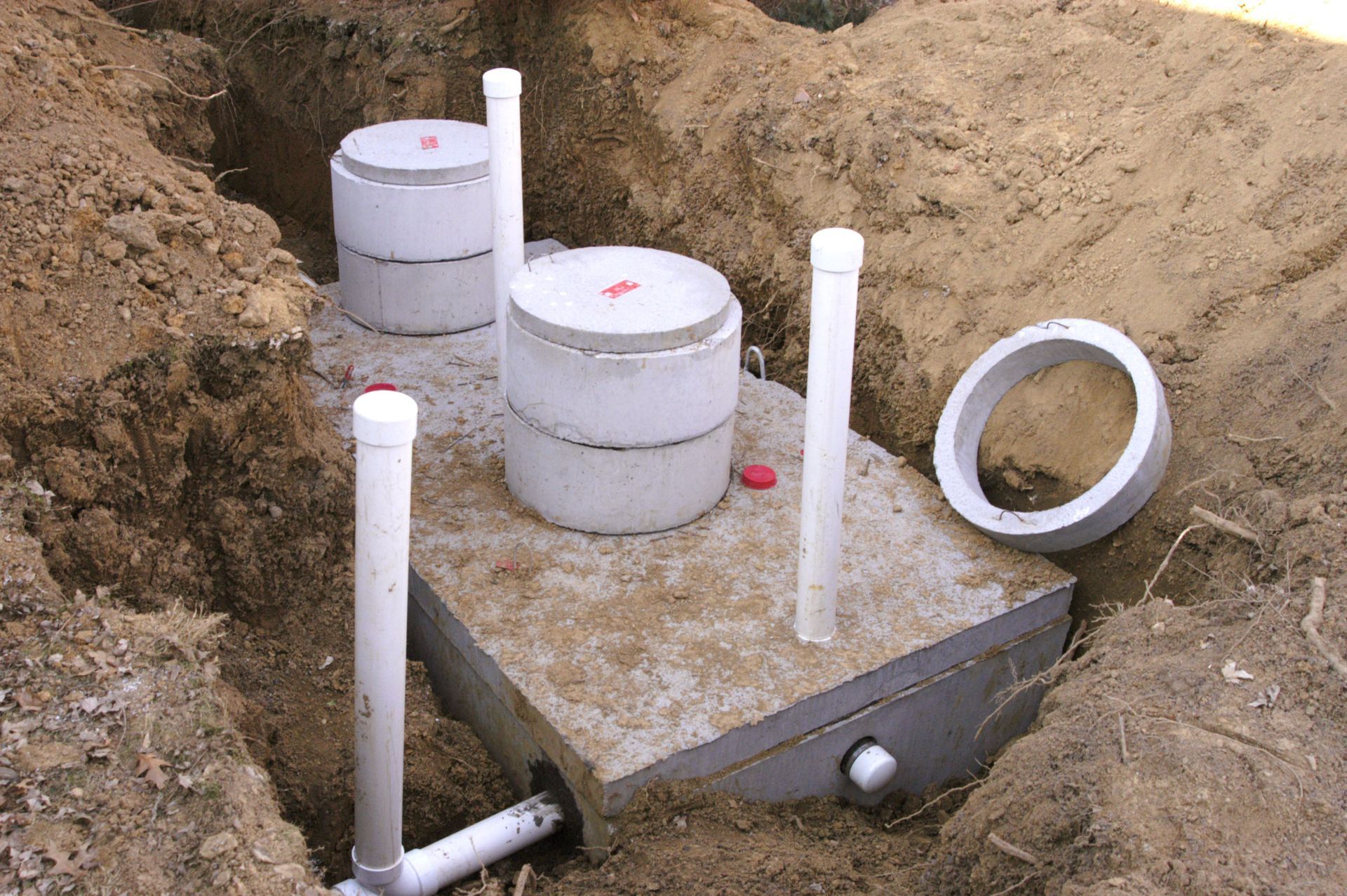
A septic system typically consists of a septic tank, a drain field, and a soil absorption area. The septic tank is a buried, watertight container designed to hold wastewater long enough for solids to settle out, forming sludge, while oil and grease float to the top as scum. The drain field, also known as a leach field, is a shallow, covered, excavation made in unsaturated soil. Wastewater exits the tank and is distributed via piping throughout the drain field, where it slowly percolates into the soil. The soil absorption area purifies the liquid before it dissipates into the groundwater.
How Septic Systems Work
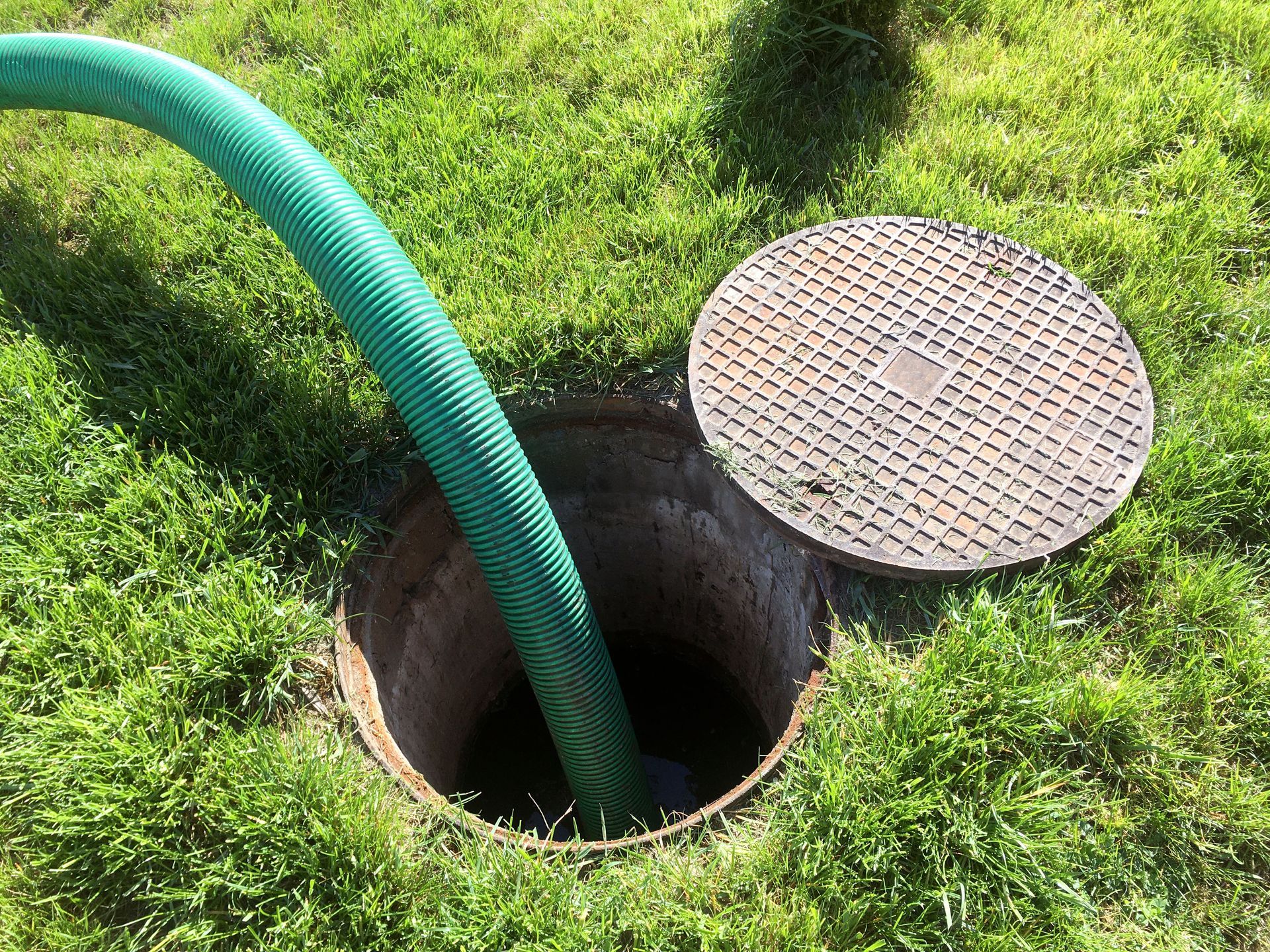
Septic systems process household wastewater through a natural biological process, beginning when wastewater enters the septic tank. The tank's design allows for the separation and breakdown of solid waste from liquids, resulting in sludge and scum that require periodic removal. The intermediate clarified liquid flows into the drain field for further purification through natural soil filtration and the action of helpful bacteria to break down harmful pathogens and nutrients. Over time, with regular use, the tank gradually fills with sludge and scum, necessitating professional drainage and cleaning. According to Forbes, the EPA recommends getting your septic tank professionally flushed at least every five years and possibly as often as every two years.
Types of Septic Systems
There are several types of septic systems available, each suited to different site conditions and homeowner requirements. Conventional gravity systems, which rely solely on gravity to move the wastewater from the tank to the drain field, are among the most common. Pressure distribution systems use pumps to evenly distribute wastewater throughout the drain field, ensuring broader coverage and protection against soil saturation. In cases where traditional systems are unsuitable, alternative systems like aerobic treatment units (ATUs) offer higher levels of treatment and efficiency. Ultimately, the choice of septic system depends on factors such as soil type, water table level, and property size.
Signs of a Well-Functioning System
A well-functioning septic system exhibits several key indicators that homeowners should observe. Firstly, the absence of unpleasant odors around the tank or drain field suggests that the system is operating efficiently and as intended. Additionally, the system should handle the home's typical wastewater flow without experiencing backups or slow drainage, indicating efficient wastewater processing and dispersal. Visually, the area around the drain field should appear lush and healthy, but not excessively wet or soggy, which could indicate a problem. Routine inspections ensure these indicators are monitored regularly, helping to maintain the system's overall integrity.
Common Misconceptions About Septic Systems
Many myths surrounding septic systems contribute to neglect and improper maintenance practices. One common misconception is that septic tanks do not require regular pumping, when in fact, routine pumping is essential for removing accumulated sludge and scum. Another myth is that all household waste can safely enter the septic system; however, materials like grease, chemicals, and non-biodegradable products can severely damage or clog the system. Additionally, some homeowners mistakenly believe that septic system maintenance is only necessary when problems arise, neglecting the importance of proactive and preventative care. By dispelling these myths, homeowners can prioritize regular inspections and maintenance to safeguard their systems.
Why Routine Septic Inspections Are Crucial
Prevention of Costly Repairs
Routine septic inspections play a pivotal role in preventing significant repair expenses that arise from neglected maintenance. Early detection of potential issues, such as minor leaks or system inefficiencies, allows for timely interventions before they escalate into costly repairs or replacements. Neglecting regular inspections can lead to system failures, resulting in expensive damages to both the septic system and the surrounding property. For instance, untreated leaks can cause soil erosion, while improperly functioning drain fields can result in costly environmental contamination. Homeowners can save thousands of dollars in the long run by investing in routine inspections rather than reacting to severe septic problems.
Ensuring Safe and Effective Operation
Regular inspections are vital to ensuring the safe and effective operation of septic systems, preventing health hazards and environmental damage. Through thorough evaluation, inspections reveal the system's current condition, identifying any malfunctions or inefficiencies that require attention. A properly functioning septic system effectively treats and disperses household wastewater, minimizing the risk of contamination to local water sources and soil. Regular inspections also help to confirm that the system is accommodating the household's wastewater needs without overloading or stressing the system. By maintaining operational efficiency, homeowners can rest assured that their septic system is safeguarding their property and health.
Environmental Protection
Routine septic inspections immensely contribute to environmental protection by preventing untreated waste from contaminating local ecosystems. A malfunctioning septic system can release harmful pathogens and nutrients into nearby water bodies, compromising water quality and aquatic life. By identifying early signs of drainage or filtration issues, inspections help avert pollution and preserve the integrity of the local environment. Moreover, effective maintenance and timely interventions prevent septic system overflow and runoff, reducing the risk of contaminating lakes, rivers, and groundwater. In this way, routine inspections uphold the symbiotic balance between residential living and environmental protection.
Compliance with Local Regulations
Adhering to routine septic inspections not only ensures optimal performance but also helps homeowners comply with local regulations. Many regions have enacted stringent guidelines requiring periodic septic system checks and maintenance as part of environmental protection efforts. Failure to comply with these regulations can result in fines, legal challenges, and potential property resale complications. Regular inspections help homeowners meet these legal requirements, providing the necessary documentation of their system's condition and compliance status. By staying current with inspections, homeowners maintain regulatory compliance and demonstrate their commitment to responsible environmental stewardship.
Informed Decision Making for Homeowners
Routine septic inspections empower homeowners to make informed decisions regarding maintenance, repairs, and system upgrades. Inspection reports provide a comprehensive overview of the system's current state, highlighting areas of concern and potential improvements. With this information, homeowners can prioritize necessary interventions and allocate resources more effectively, ensuring their septic system remains functional and efficient. These insights are crucial for budgeting and planning, especially when considering property renovations or expansions that may affect the septic system. Ultimately, informed decision-making through regular inspections fosters long-term home maintenance and investment success.
The Frequency and Timing of Inspections
Recommended Inspection Schedules
The frequency of septic inspections varies according to several factors, including the type and size of the system and household usage patterns. As a general guideline, experts recommend that conventional septic systems undergo professional inspections every three to five years. However, systems with mechanical components or higher use may require more frequent checks to ensure they are functioning optimally. While Forbes and the EPA suggest pumping the septic tank at least every five years, inspecting it every few years is crucial for identifying potential issues before they evolve. Regularly scheduled inspections promote better system health and longevity by preemptively addressing concerns. Be sure to reach out to Southern Septic today for more information on our professional septic inspection!
Share On: