Choosing the Right Septic Company for Your Home's Unique Needs

January 16, 2026

A properly functioning septic system is vital to your home’s sanitation, environmental safety, and long-term property value. Neglecting your system can result in costly repairs, unpleasant backups, or even contamination of nearby water sources. Selecting the right septic company ensures that installation, maintenance, and repairs are handled efficiently, reducing stress and protecting your investment. Whether you are building a new home, upgrading an existing system, or simply maintaining routine care, understanding your household’s unique needs—from soil type to water usage—is the first step in ensuring optimal system performance. By partnering with a professional septic company, you gain expert guidance tailored to your property, maximizing both efficiency and system longevity.


Understanding Different Septic System Types


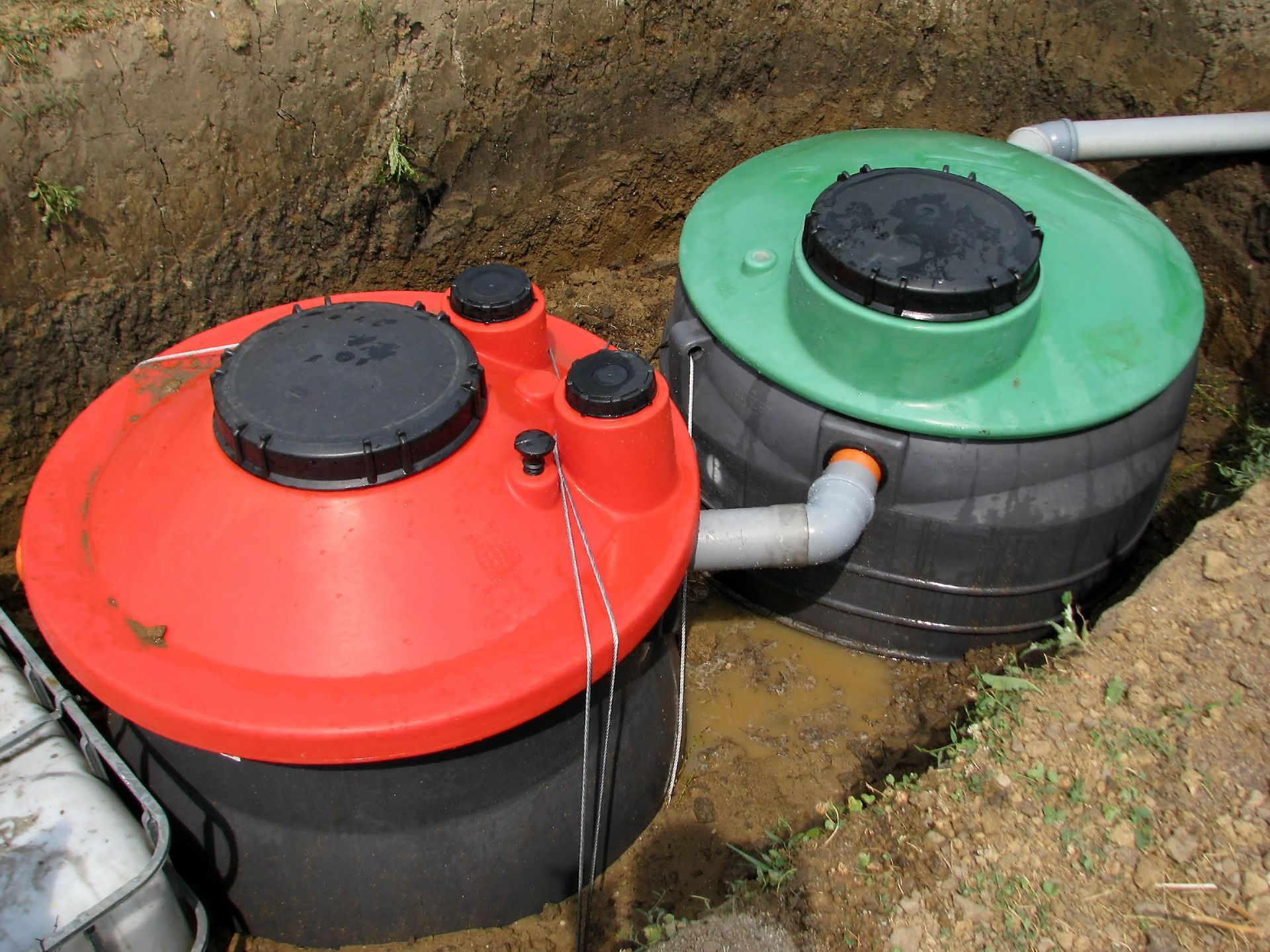
Septic systems are not one-size-fits-all. Conventional gravity systems remain the most common, using natural forces to manage waste, while mound systems, aerobic treatment units, and sand filter systems cater to specialized conditions. Mound systems, for instance, are ideal for properties with high water tables, whereas aerobic units actively treat wastewater, producing cleaner effluent. Homeowners must consider space limitations, soil composition, and local regulations when choosing a system type.


Cost is also a critical factor. While some alternative systems may have higher installation expenses, they often reduce long-term maintenance costs. Discussing options with a septic company allows homeowners to weigh upfront investment against ongoing expenses and system efficiency. A knowledgeable septic company can provide detailed comparisons, explain maintenance requirements, and recommend a system that fits your property and lifestyle. Understanding your system types also allows you to plan for future expansions and lifestyle changes, ensuring the system remains functional for decades.


Maintaining Your Septic System Consistently


Regular maintenance is key to avoiding costly repairs and prolonging system life. Routine pumping every three to five years, depending on household size and water use, prevents sludge buildup and ensures smooth operation. Inspections are equally important, evaluating tank integrity, piping condition, and absorption fields. A professional septic company can identify minor issues before they escalate, such as small leaks, blockages, or early signs of drain field stress.


Neglecting maintenance can result in backups, foul odors, and system failures that threaten your home and the surrounding environment. Homeowners should also be aware of common mistakes, like flushing non-biodegradable items or overusing harsh chemicals, which can compromise bacterial balance essential for septic treatment. According to This Old House, about 25% of Americans rely on septic systems, highlighting how critical proper upkeep is for a significant portion of the population. By scheduling consistent professional maintenance, homeowners ensure long-term system efficiency and peace of mind.


Addressing Common Septic Problems Proactively


Knowing potential septic system issues helps homeowners take preventive action. Frequent problems include sludge accumulation, clogs, and drain field failure due to poor installation or heavy water use. Seasonal changes, such as heavy rain or freezing temperatures, can exacerbate these issues, leading to pooling, soggy yard areas, or slow drains. Overloading your system, whether from leaks, large appliances, or increased occupancy, can cause costly damage if not addressed.


A trusted septic company can provide early diagnosis and effective remedies, including pumping, pipe cleaning, or drain field reconfiguration. Educating household members about what should and shouldn’t be flushed or poured down drains is a practical preventive measure. Technicians can also install devices like effluent filters, water-saving fixtures, and alarms to monitor system health. By acting proactively, you not only prevent emergencies but also extend your system’s functional life, keeping your home safe and operational.


Protecting the Environment While Maintaining Your System


Septic systems directly influence local water quality and ecosystems. Poorly maintained systems can leak untreated effluent, causing nutrient pollution that harms wildlife and contaminates groundwater. Implementing environmentally responsible practices, such as using biodegradable cleaning products, reducing water usage, and performing timely maintenance, is essential. Professional septic companies are trained in regulatory compliance, helping homeowners meet local and federal environmental standards.


Modern technological advancements have made systems more eco-friendly. Aerobic units, for example, reduce pollutants in wastewater before it reaches the drain field. A knowledgeable septic company can recommend upgrades or maintenance techniques that minimize environmental impact while maximizing efficiency. Adopting sustainable practices not only benefits the environment but also reduces costly repairs and promotes regulatory compliance. For the 25% of Americans who rely on septic systems, responsible stewardship ensures long-term ecological sustainability and preserves property value.


Extending System Longevity Through Smart Practices


The life of a septic system depends on proper installation, consistent maintenance, and responsible household behavior. A skilled septic company ensures correct system installation, offers warranties, and lays the groundwork for future reliability. Regular inspections and timely repairs prevent minor issues from becoming major problems. Additionally, monitoring system performance through routine check-ups can detect subtle signs of wear before they escalate. Homeowners should also track water usage patterns and address unusual spikes to avoid overloading the system. Working closely with a professional septic company ensures that both preventive measures and corrective actions are tailored specifically to the household’s needs, maximizing efficiency and longevity.


Homeowners also play a key role in system longevity. Avoiding harsh chemicals, practicing water conservation, and properly disposing of waste all help maintain system integrity. Adjusting household habits, such as staggering laundry loads or using low-flow fixtures, reduces system stress and prevents overloading. Proper soil management and landscaping around the leach field further protect functionality. By combining professional oversight with responsible use, homeowners can extend the system’s lifespan by decades. A septic company can provide tailored guidance to optimize both maintenance schedules and day-to-day practices for maximum durability.


Evaluating Potential Septic Companies Carefully


Selecting a qualified septic company is crucial. Begin by confirming licenses, certifications, and affiliations with professional organizations, which demonstrate technical proficiency and adherence to industry standards. Reputable companies also maintain insurance coverage to protect homeowners during installation or repair work. Verifying credentials through licensing boards or regulatory agencies ensures you are working with qualified professionals. It’s also important to ask about the company’s experience with your specific system type, as familiarity with different designs can impact service quality. Inquiring about staff training and ongoing education provides insight into how the company stays current with industry best practices. Finally, request references or case studies to evaluate past performance and gain confidence that the company can handle both routine maintenance and unexpected emergencies effectively.


Next, research company reputation. Online reviews, testimonials, and personal recommendations provide insight into service quality, professionalism, and reliability. Pay attention to consistency in positive feedback, responsiveness during emergencies, and demonstrated problem-solving skills. Comparing service offerings—installation, routine maintenance, and emergency repairs—ensures the chosen septic company can meet all your needs. Companies offering guarantees, preventive inspections, and environmentally conscious solutions demonstrate a commitment to excellence. By investing time in evaluating qualifications, reputation, and service range, homeowners establish a long-term partnership that secures both system performance and peace of mind.


Choosing the right septic company is more than a transactional decision—it is an investment in your home’s safety, functionality, and environmental responsibility. By understanding system types, maintaining your septic system regularly, addressing problems proactively, adopting environmentally responsible practices, extending system longevity through smart usage, and carefully evaluating providers, you ensure a well-functioning system for decades.


Partnering with a professional septic company provides expertise, peace of mind, and long-term protection for your property. For dependable service, expert guidance, and a septic system designed to perform efficiently for years, trust Southern Septic to handle your home’s unique needs today.
Choosing the Right Septic Company for Your Home's Unique Needs
septic back up
January 16, 2026
Learn how to spot early signs of a septic back up in your home. Detect foul odors, slow drains, yard flooding, and plumbing issues to prevent costly damage.
septic inspections
January 2, 2026
Regular septic inspections are essential for homeowners who rely on onsite wastewater systems. Many individuals neglect these evaluations, only addressing problems once they arise. However, proactive inspections prevent health risks, protect water supplies, reduce environmental hazards, and avoid costly repairs. According to This Old House, a septic tank should be inspected regularly, on average every two to three years, for safety and functionality. By scheduling routine inspections, homeowners ensure their systems operate efficiently, prolong their lifespan, and maintain property value. Septic systems, typically consisting of a septic tank, drain field, and soil absorption area, manage household wastewater effectively when maintained properly. Wastewater enters the septic tank, where solids settle, and microorganisms begin the decomposition process. Liquids then flow to the drain field for additional filtration through the soil. Inspections confirm that these processes are functioning correctly, preventing leaks, backups, or environmental contamination. Conventional systems rely on gravity, while alternative systems, such as aerobic treatment units or mound systems, use advanced technologies to handle unique site conditions. Regardless of type, regular inspections are key to long-term system health. Protecting Health and the Environment Through Inspections Routine septic inspections play a vital role in safeguarding public health and the environment. Without proper maintenance, systems can leak wastewater, creating breeding grounds for bacteria and pests. Early detection during inspections prevents these hazards, protecting families and nearby communities. Leaks or system failures can contaminate groundwater, streams, and other water sources, posing severe risks if left unchecked. Inspections not only identify such leaks but also ensure that treatment processes continue to protect drinking water. Environmentally, a failing septic system can release untreated waste into the ecosystem, harming plants, wildlife, and soil quality. Regular evaluations help prevent ecological damage, demonstrating a homeowner's responsibility to sustainable practices. Additionally, inspections reduce the likelihood of system failures that could require emergency interventions. Early identification of warning signs such as slow drains, foul odors, or pooling water enables technicians to address issues before they escalate. Inspections also minimize pest and insect infestations, maintaining both household hygiene and system integrity. Optimizing Performance and Extending System Lifespan Regular septic inspections optimize system performance, ensuring that wastewater is processed and disposed of correctly. Technicians can identify blockages, leaks, or signs of wear that may reduce efficiency. Detecting these issues early prevents clogs, backups, and other costly malfunctions. By maintaining a balance between microbial activity, tank capacity, and drainage, inspections allow the system to operate smoothly over time. Consistent inspections also extend the life of the septic system. Properly maintained tanks and drain fields can last decades, often exceeding their expected service life. Routine evaluations allow for timely adjustments and minor repairs that preserve functionality. By addressing problems early, homeowners avoid major replacements or emergency repair costs, translating into significant financial savings. Modern inspection technologies, including cameras and sensors, provide accurate assessments of system conditions, identifying hidden problems and enabling precise interventions. Through regular monitoring, septic systems remain durable, efficient, and environmentally sound. Realizing Financial Benefits From Regular Inspections Investing in regular septic inspections yields both immediate and long-term financial benefits. The cost of a routine inspection is minimal compared to the potential expense of repairing a failed system. Emergency repairs, especially those requiring extensive excavation or replacement, can cost thousands of dollars. Proactive inspections prevent such scenarios by identifying minor issues before they become major problems. Well-maintained systems also enhance property value. Prospective buyers recognize a reliable septic system as a reflection of overall home care. A history of consistent inspections and maintenance can make a property more attractive and even support higher resale prices. Additionally, inspections reduce the risk of legal liability. Failing septic systems can cause environmental contamination, leading to fines or lawsuits. By keeping the system in optimal condition, homeowners avoid regulatory penalties and protect themselves financially. Finally, regular inspections facilitate long-term financial planning. Knowing the condition of a septic system allows homeowners to anticipate maintenance costs, allocate resources efficiently, and avoid unexpected emergencies. This predictability supports household budgeting and overall financial stability, reinforcing the value of proactive maintenance strategies. Overcoming Barriers to Regular Inspections Despite the clear benefits, homeowners often face several barriers that prevent regular septic inspections. One of the most common obstacles is a lack of awareness. Many homeowners do not know the recommended inspection frequency or understand the potential consequences of neglecting their system. Without this knowledge, inspections may be deprioritized, leaving systems vulnerable to leaks, backups, or costly failures. Education campaigns, workshops, and community initiatives can play a crucial role in addressing this gap. By providing clear information on system operation, risks of neglect, and the importance of routine inspections, these programs empower homeowners to take proactive steps in maintaining their septic systems. Cost is another significant concern for many households. While some perceive inspections as an unnecessary expense, reframing them as a preventive investment can shift this perspective. Routine inspections are far less costly than emergency repairs or full system replacements, which can run into thousands of dollars. Funding solutions, subsidies, and cost-sharing programs can further alleviate financial concerns, making inspections accessible for more homeowners. Highlighting the long-term savings and protection of property value can help families prioritize regular maintenance over short-term cost avoidance. Inconvenience is also a common reason homeowners delay inspections. Many fear disruptions to their daily routines or concerns about access to the property. However, inspections are typically quick, minimally invasive, and easy to schedule around household activities. Planning ahead and coordinating with professional service providers can transform what may seem like an inconvenience into a manageable, routine task. By approaching inspections strategically, homeowners can prevent the far greater inconvenience and stress of system malfunctions or emergency repairs. Finding qualified professionals is essential for ensuring inspections are effective and reliable. Technicians should possess the necessary certifications, experience, and knowledge of local regulations to conduct thorough evaluations. Homeowners can rely on community directories, recommendations from neighbors, or endorsements from local government programs to identify trusted professionals. Building a Culture of Preventive Maintenance Sustainable septic management depends on fostering a culture of prevention and maintenance. Homeowners who prioritize routine septic inspections reduce the likelihood of system failures, protect public health, and minimize environmental impact. Community education programs, workshops, and collaborative initiatives encourage shared responsibility, making regular inspections a standard practice rather than an optional task. Successful septic programs demonstrate the benefits of coordinated community efforts. By sharing best practices, providing accessible resources, and supporting inspections, communities can enhance system reliability and environmental stewardship. Local government initiatives, including subsidies or maintenance campaigns, further encourage compliance and proactive care. Together, homeowners, communities, and authorities create a culture of prevention that ensures the long-term health and efficiency of septic systems. Regular septic inspections are critical for maintaining safe, efficient, and environmentally responsible wastewater systems. By preventing health hazards, protecting water sources, and extending system lifespan, inspections offer clear safety, environmental, and financial benefits. Homeowners who commit to proactive evaluations reduce emergency repair costs, safeguard property value, and contribute to community well-being. By overcoming barriers such as cost, inconvenience, and awareness, homeowners can fully benefit from routine septic inspections . Leveraging modern technologies, community education, and regulatory guidance promotes a culture of proactive care. Prioritizing regular inspections ensures the system operates efficiently, safely, and reliably. Schedule your septic inspection today with Southern Septic to protect your home, your family, and your investment.
septic installation
December 16, 2025
Are you interested in what to expect from a quality septic installation? Look no further! Read this article or give us a call today to learn more.
More Posts →