Signs Your Home May Be Experiencing a Septic Back Up
Septic system issues can significantly impact the comfort and safety of your home. Recognizing the signs of a septic back up early can prevent costly repairs and extensive damage. This article explores the key indicators that your septic system might be backing up and what each of these signs means for your home. Proper maintenance and timely inspections are crucial for preventing damage and ensuring smooth operation.
Septic systems are complex and rely on a balance of components working together, from the tank to the distribution box to the drain field. Because these systems handle all household wastewater, small problems can escalate if left unaddressed. Paying attention to the health of your septic system helps protect not only your home but also the surrounding yard and landscaping. Routine observation, combined with scheduled maintenance, is a simple way to ensure the system functions efficiently over time.
Detect the Onset of Septic Odors at Home and in Your Yard
Unpleasant odors are often one of the first signs of a septic back up. Persistent foul smells in bathrooms, kitchens, or basements can indicate blockages or that the tank is nearing capacity. These odors may also appear outdoors, near the septic tank or drain field, signaling potential leaks or overflows that require professional attention.
Paying attention to both indoor and outdoor odors helps you identify problems early, allowing for prompt septic inspections or tank pumping to maintain a safe and sanitary home environment. According to the EPA, more than 60 million people in the nation are served by septic systems. This highlights the importance of monitoring odors and acting quickly to prevent further complications and damage to the property.
Odors can vary in intensity and may appear more noticeable at certain times of day, such as during warm weather or after heavy water use. Sometimes smells are intermittent and may come and go depending on how often water is used. By observing patterns over time, homeowners can better determine when professional service is needed. Simple awareness of these early warning signs allows for timely action and helps maintain a comfortable living environment.
Identify Slow Drains Caused by Septic Issues
Slow-draining sinks, bathtubs, or toilets can indicate that your septic system is reaching its capacity or that a blockage exists in the tank or plumbing. If multiple drains in your home are sluggish, it is often a sign that your system requires pumping or inspection. Prompt action can help prevent a minor slow-drain problem from escalating into a full septic back up.
Kitchen sinks or washing machines that drain slowly may also point to septic issues. Regular maintenance, such as septic tank pumping and inspections, can prevent minor slow-drain problems from escalating into larger system failures. Paying attention to these early signs is a practical way to protect both plumbing and the overall septic system.
Homeowners may notice that drains take longer to empty after extended use or when multiple fixtures are in use at the same time. Tracking these patterns can provide clues about the overall health of your system. Understanding these small changes in water flow can help homeowners schedule maintenance proactively, reducing the likelihood of backups or costly repairs in the future.
Observe Yard Flooding and Drain Field Problems
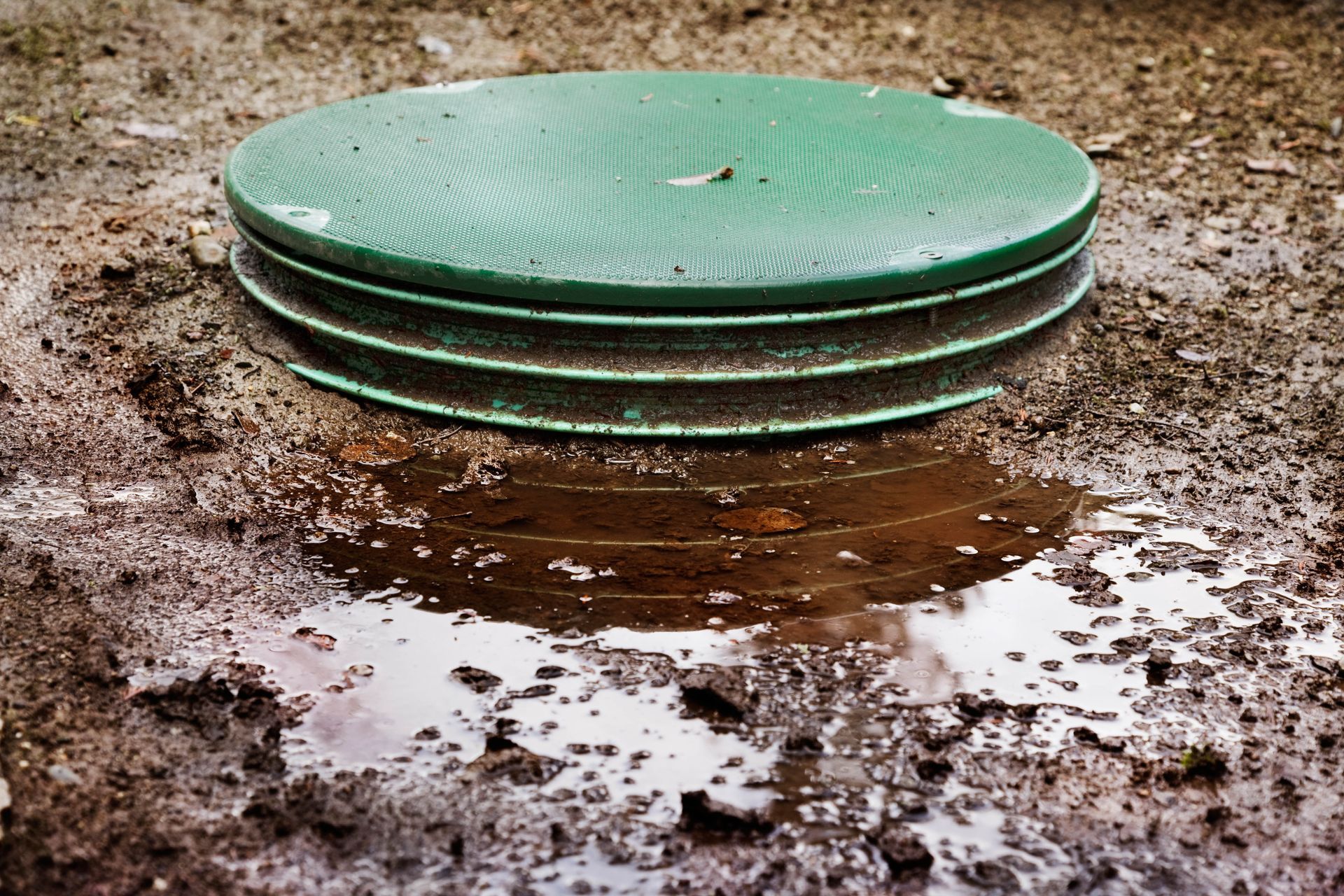
Pooling water or muddy spots in your yard, especially near the septic tank or drain field, may indicate that wastewater is not being absorbed properly. This can be caused by a tank reaching capacity or damage to underground components. Noticing unusually lush or green patches can also signal leaks that need attention, which may contribute to a septic back up.
Prompt professional inspection and maintenance can prevent yard damage and system failure, ensuring your septic system continues to function efficiently. Standing water in the yard may appear after regular water use, not just following rain. Observing patterns in where water collects can help pinpoint potential problem areas and protect landscaping and property value.
Recognize Plumbing Noises Signaling Septic Trouble
Gurgling, bubbling, or unusual noises in sinks, toilets, or drains can indicate trapped air or blockages in your septic system. These sounds are early warning signs that your system may require service to prevent further issues. Ignoring these noises can allow problems to progress and potentially result in a septic back up if not addressed.
Addressing these noises promptly through professional inspection or septic maintenance helps maintain proper flow and avoids more extensive problems in your home's plumbing system. These noises may occur sporadically or during certain water-related activities, such as running multiple fixtures or operating appliances. Paying attention to when and where the sounds occur can provide additional insight into potential system issues.
Detect Leaks or Overflow in Septic Tank Components
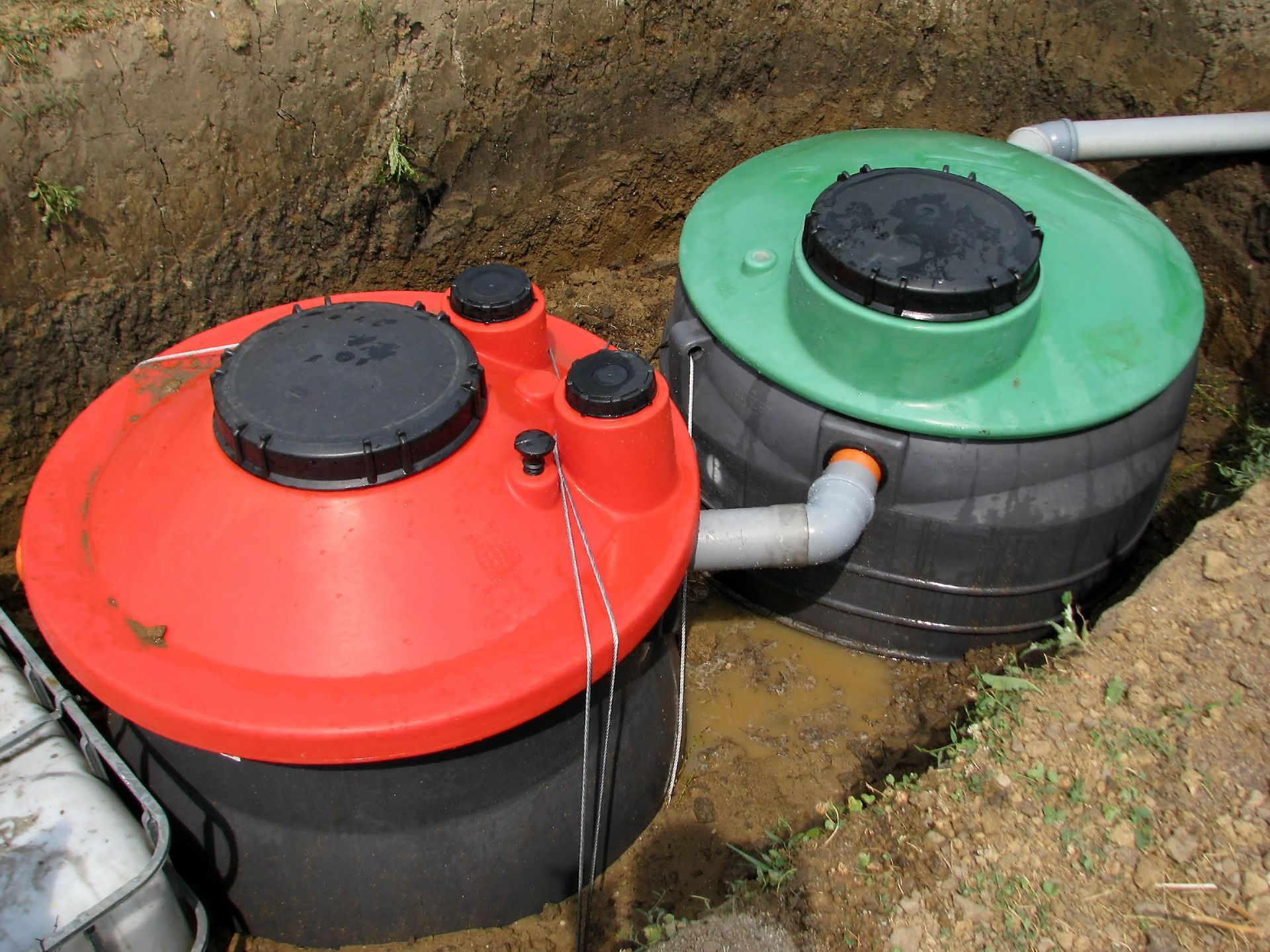
Visible leaks or overflow from your septic tank or distribution box are clear signs of system stress or failure. Liquid seeping from the top of the tank, cracks, or water pooling in the drain field indicate that components may require pumping, repair, or inspection. Left unchecked, these issues can lead to a more serious septic back up affecting your home.
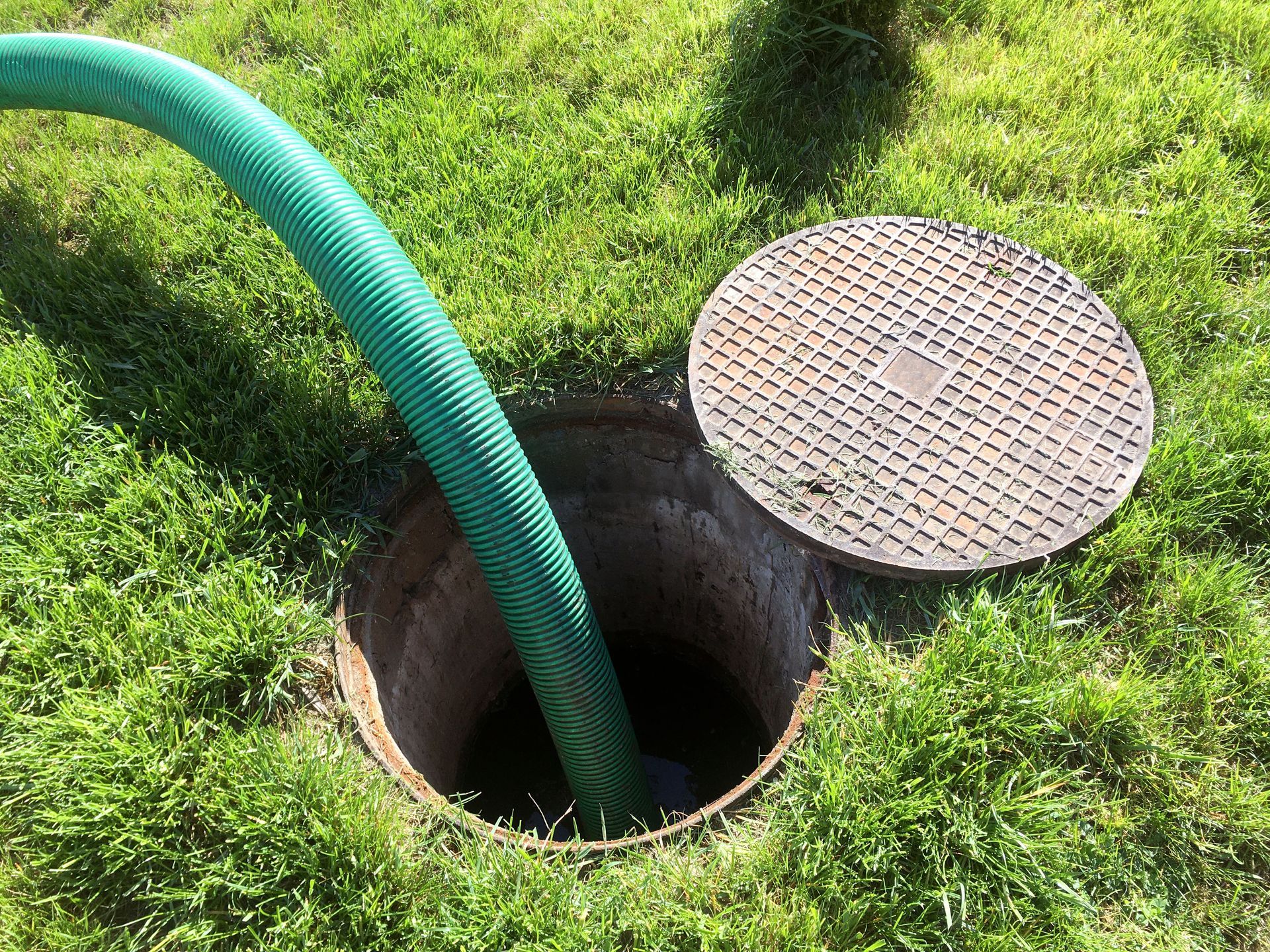
Regular septic maintenance, including tank pumping and component checks, ensures that your system operates reliably and prevents costly damage to your home and yard. Homeowners should also monitor subtle changes in the yard or near the septic system, such as soggy spots or minor seepage, as these can be early indicators of potential issues. Maintaining a watchful eye on these areas, combined with routine professional checks, allows for early intervention and helps sustain the system's long-term performance.
Even small or isolated leaks can be an early sign of strain within the system. Being attentive to these details and taking note of changes over time provides valuable insight for scheduling inspections or maintenance. Consistent observation helps ensure the septic system continues to function properly and prevents more extensive problems from developing.
Monitor Frequent Sewage Backups Indicating System Failure
An increase in sewage backups in toilets, showers, or floor drains is a critical indicator that your septic system may be failing. Frequent backups suggest that the tank or drain field is overloaded and requires immediate professional attention. Prompt action can prevent more serious system damage and reduce the likelihood of a septic back up impacting your home.
Timely service can prevent more serious system damage, maintain sanitation, and protect the comfort and safety of your home. Tracking patterns of recurring backups can provide important information about the severity and location of the problem. By paying attention to these occurrences and seeking professional support promptly, homeowners can address issues efficiently and maintain a safe living environment. Early intervention can help ensure that your septic system continues to operate effectively over time.
Noticing the frequency, timing, and specific locations of backups can give valuable clues to professionals working on the system. Keeping a simple log of these occurrences can assist in identifying trends and planning maintenance. Being proactive in observing and reporting these signs helps maintain the overall health and functionality of the septic system, reducing the risk of sudden disruptions and improving long-term reliability while preventing future septic back up issues.
Spotting early signs of septic system issues can help protect your home and prevent more extensive problems. To keep your system running efficiently, learn more about the full range of services Southern Septic provides, including septic tank cleaning, pumping, inspections, and emergency support in West Palm Beach and the surrounding areas. Southern Septic is committed to ensuring our systems function reliably and our property stays protected.
Share On: