How Grease Trap Testing Service Helps Prevent Costly Plumbing Problems
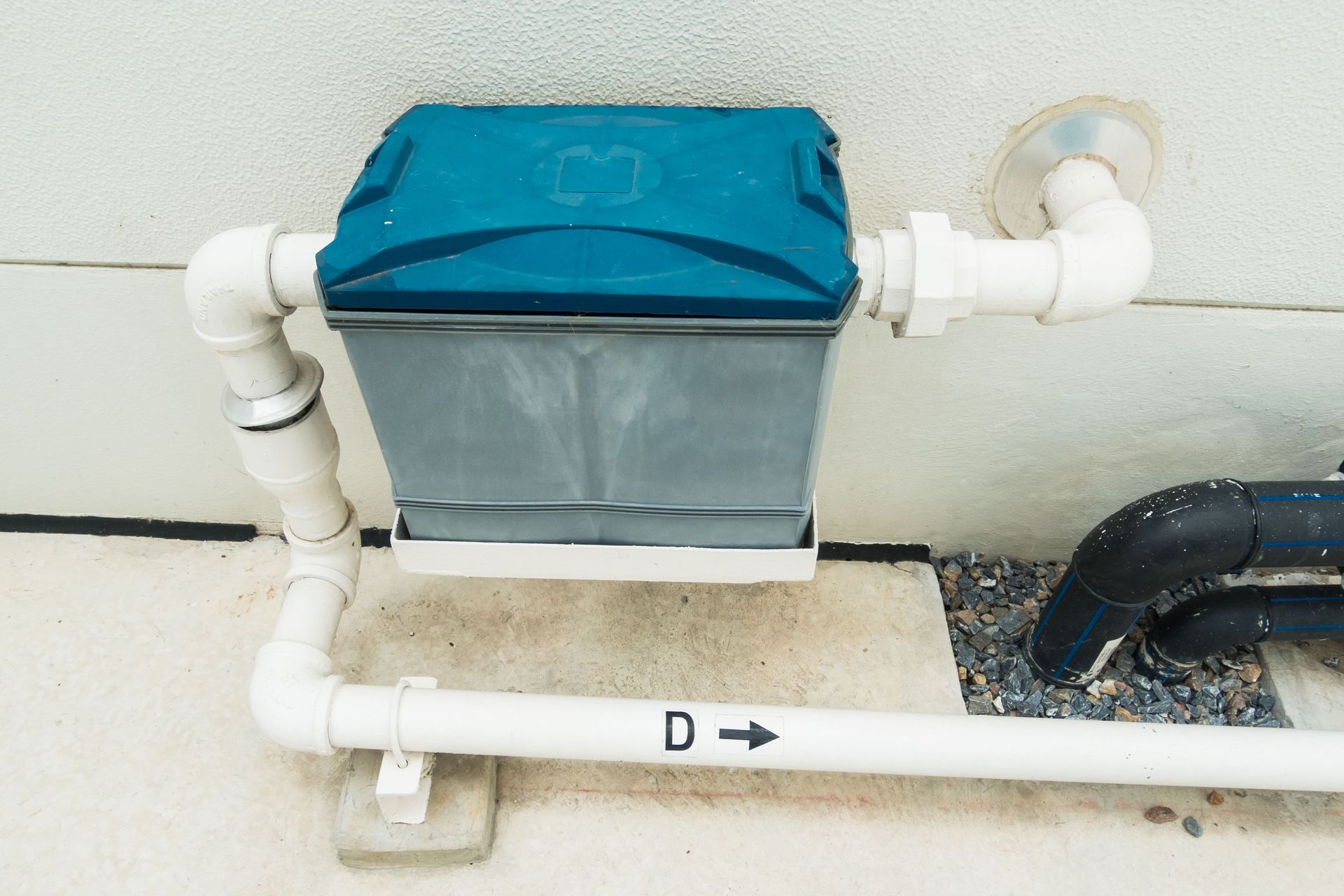
Grease traps play an important role in protecting plumbing systems by capturing fats, oils, and grease before they enter wastewater lines. These devices are commonly found in commercial kitchens, restaurants, food preparation facilities, and other properties where cooking activities produce significant amounts of grease. Without proper maintenance, accumulated waste can restrict water flow, create unpleasant odors, and contribute to serious plumbing problems. Over time, neglected grease traps may become less effective at separating grease from wastewater, allowing unwanted materials to move farther into the drainage system. These issues can lead to clogged pipes, backups, sanitation concerns, and expensive repairs. Routine inspections and maintenance help property owners identify developing problems before they affect daily operations. Scheduling a professional grease trap testing service provides an opportunity to evaluate the condition of the system and determine whether cleaning or additional attention is necessary. Understanding the importance of regular testing can help property owners protect their plumbing infrastructure and avoid preventable expenses.
Identifying Grease Accumulation Before Problems Develop
One of the primary benefits of routine grease trap testing is identifying excessive buildup before it interferes with normal drainage. As wastewater enters the trap, fats, oils, and grease separate from the water and collect inside the unit. Food particles and other solid materials may also settle at the bottom, gradually reducing the available capacity. When these materials accumulate beyond recommended levels, the system may struggle to separate additional grease effectively. Property owners might initially notice slower drainage, unpleasant smells, or changes in how quickly wastewater moves through connected fixtures. According to Today's Homeowner, most residential grease traps can generally be cleaned every three months, and their contents should never exceed 25% of the trap's capacity. Although commercial requirements may differ depending on usage and local regulations, monitoring accumulation remains essential for effective maintenance. A grease trap testing service helps determine whether the unit needs cleaning and whether accumulated waste is affecting its performance.
Preventing Drainage Blockages and Plumbing Backups
Grease buildup can create significant problems when it travels beyond the trap and enters connected plumbing lines. Fats and oils may initially move through pipes as liquids, but they can cool, solidify, and attach to interior pipe surfaces. Over time, these deposits can combine with food particles and other debris to form stubborn obstructions. As the buildup becomes thicker, wastewater may have difficulty moving through the drainage system. This can cause sinks, floor drains, and other connected fixtures to drain slowly or back up unexpectedly. Routine testing helps identify conditions that could allow excessive grease to escape the trap before they contribute to more extensive blockages. Professional technicians can evaluate the unit and determine whether cleaning, repairs, or other maintenance steps are necessary. Scheduling a grease trap testing service can help property owners reduce the likelihood of disruptive plumbing backups and avoid unnecessary drain repair expenses.
Detecting Equipment Problems and Mechanical Wear
Grease traps require proper operation to separate grease and solids from wastewater effectively. However, damaged components, deteriorating seals, faulty connections, and structural problems can interfere with their performance. Some issues may not become obvious until the system begins producing noticeable odors or experiencing drainage difficulties. Testing provides an opportunity to examine the unit and identify potential problems that could affect its ability to contain and separate waste. Technicians may evaluate accessible components, inspect connections, and look for signs of leaks or deterioration. Detecting these concerns early can help property owners arrange repairs before a minor defect develops into a more expensive problem. A professional grease trap testing service also helps determine whether an existing unit is functioning appropriately for the property's wastewater demands. Keeping equipment in suitable working condition supports more dependable drainage and helps protect the surrounding plumbing infrastructure.
Controlling Unpleasant Odors and Sanitation Concerns
Accumulated grease, food waste, and other organic materials can produce unpleasant odors when they remain inside a trap for extended periods. These smells may spread into kitchens, preparation areas, utility rooms, and other parts of a property. Persistent odors can make workspaces uncomfortable for employees and create an unfavorable experience for customers. Excessive waste accumulation may also contribute to unsanitary conditions when a poorly maintained unit leaks or overflows. Property owners should pay attention to unusual smells because they may indicate that cleaning or further inspection is needed. Routine maintenance helps remove accumulated materials and identify conditions that could contribute to odor problems. A grease trap testing service can help determine whether waste levels, damaged components, or other issues are affecting the system. Maintaining a cleaner unit supports a more comfortable environment and helps property owners address sanitation concerns before they become more difficult to manage.
Reducing Unexpected Maintenance and Repair Expenses
Unexpected plumbing problems can create expenses that extend beyond the cost of repairing a clogged drain. A grease-related backup may require professional cleaning, pipe maintenance, equipment repairs, and temporary interruptions to normal business activities. Commercial kitchens may also experience scheduling difficulties when plumbing problems prevent employees from using sinks or other essential fixtures. These disruptions can affect productivity and create additional operational challenges. Regular testing provides an opportunity to identify developing issues and schedule maintenance before an emergency occurs. Property owners can use inspection findings to plan cleaning appointments, address minor repairs, and monitor equipment performance over time. Investing in a grease trap testing service can help reduce the likelihood of expensive emergency plumbing situations by identifying potential problems earlier. A consistent maintenance routine also makes it easier to manage plumbing expenses and keep essential systems operating properly.
Supporting Compliance With Local Maintenance Requirements
Businesses that handle food preparation and wastewater may be subject to local requirements governing grease management and disposal. These requirements are intended to help prevent fats, oils, and grease from entering public sewer systems and creating blockages. Property owners should understand the maintenance expectations that apply to their specific location and type of operation. Requirements may address cleaning schedules, waste disposal procedures, documentation, and inspection practices. Failing to maintain a grease trap appropriately can create compliance concerns and may result in additional expenses. Routine testing helps property owners monitor the condition of their equipment and maintain records of completed maintenance activities. A professional grease trap testing service can provide useful information about the unit's condition and whether additional attention is recommended. Staying informed about applicable requirements helps businesses maintain responsible wastewater management practices and avoid preventable complications.
Extending the Life of Grease Trap Equipment
Grease traps represent an important investment in a property's plumbing infrastructure. Like other plumbing equipment, they require regular attention to remain functional and dependable. Allowing grease, food particles, and other waste materials to accumulate excessively can place additional demands on the system. Persistent neglect may contribute to corrosion, damaged components, leaks, and other problems that shorten the equipment's useful life. Regular cleaning and inspections help reduce unnecessary strain while allowing technicians to identify deterioration before it becomes extensive. Property owners should also consider whether the existing unit is appropriately sized for the amount of wastewater produced by their operations. A grease trap testing service can help evaluate system performance and identify concerns that may require adjustments or repairs. Taking care of the equipment through consistent maintenance can help protect the original investment and reduce the likelihood of premature replacement.
Establishing a Consistent Grease Trap Maintenance Schedule
An effective maintenance routine begins with understanding how frequently a grease trap needs attention. Factors such as kitchen activity, wastewater volume, food preparation methods, and the size of the unit can influence how quickly grease accumulates. A busy commercial kitchen may require more frequent cleaning than a smaller operation with limited food preparation activities. Property owners should monitor waste levels instead of relying exclusively on a fixed calendar schedule. Keeping records of inspections, cleanings, and repairs can also help identify patterns in system performance. Professional technicians can recommend an appropriate maintenance frequency based on the condition and usage of the equipment. Incorporating a grease trap testing service into the property's regular maintenance plan helps ensure that developing concerns receive timely attention. Consistency is essential for reducing plumbing risks and maintaining a dependable wastewater management system.
Southern Septic can assist property owners with addressing grease trap concerns and maintaining their wastewater systems. Taking a proactive approach to grease management can help protect plumbing infrastructure and reduce unnecessary disruptions. Contact us today to discuss your grease trap maintenance needs and schedule professional assistance.
Share On: