Why Septic Estimates Should Account for Long-Term System Maintenance
Installing a septic system is a significant investment for homeowners who rely on onsite wastewater treatment. Although the initial installation cost is an important consideration, the long-term expenses associated with maintaining the system deserve equal attention. Without proper planning, routine maintenance, unexpected repairs, and eventual component replacements can place considerable strain on a household budget.
Septic estimates provide an opportunity to evaluate these expenses before committing to an installation or major upgrade. By accounting for ongoing maintenance requirements, homeowners can develop realistic budgets, protect their property, and reduce the likelihood of premature system failure. Understanding the relationship between upfront costs and long-term care is essential for making informed decisions about a septic system's performance, reliability, and lifespan.
How Do Septic Estimates Impact the Overall Cost?
Septic estimates help homeowners understand the financial commitment involved in installing, replacing, or upgrading a wastewater treatment system. A comprehensive estimate should account for more than the immediate price of equipment and labor.
Initial expenses can vary significantly depending on property conditions, soil composition, system capacity, local regulations, and installation complexity. A conventional septic system on a suitable property may cost substantially less than an advanced treatment system or an installation requiring extensive excavation and specialized components. Evaluating these factors early helps homeowners avoid unrealistic expectations about the total project cost.
However, the lowest initial price does not necessarily represent the most economical option over time. A system with specialized components may require more frequent inspections, professional servicing, or replacement parts. Similarly, inadequate site preparation or the installation of an improperly sized system can contribute to expensive problems later.
When reviewing septic estimates, homeowners should ask contractors to explain which services are included, which expenses are excluded, and what maintenance the proposed system will require. Comparing these details across multiple estimates makes it easier to identify differences in quality, scope, and long-term affordability.
A well-prepared estimate should also identify potential variables, such as difficult soil conditions or additional permitting requirements, that could affect the final price.
What Are Common Components Included in Septic Estimates?
Septic estimates generally cover several major categories of expenses, although the exact scope depends on the property and the proposed system. Understanding these components helps homeowners determine whether a quote adequately addresses both installation needs and future maintenance considerations.
Installation labor and equipment typically represent a substantial portion of the initial investment. Contractors may need excavation machinery, specialized tools, transportation equipment, and qualified personnel to install the tank, connect plumbing, and construct the drainfield. The extent of excavation and site preparation can influence these costs considerably.
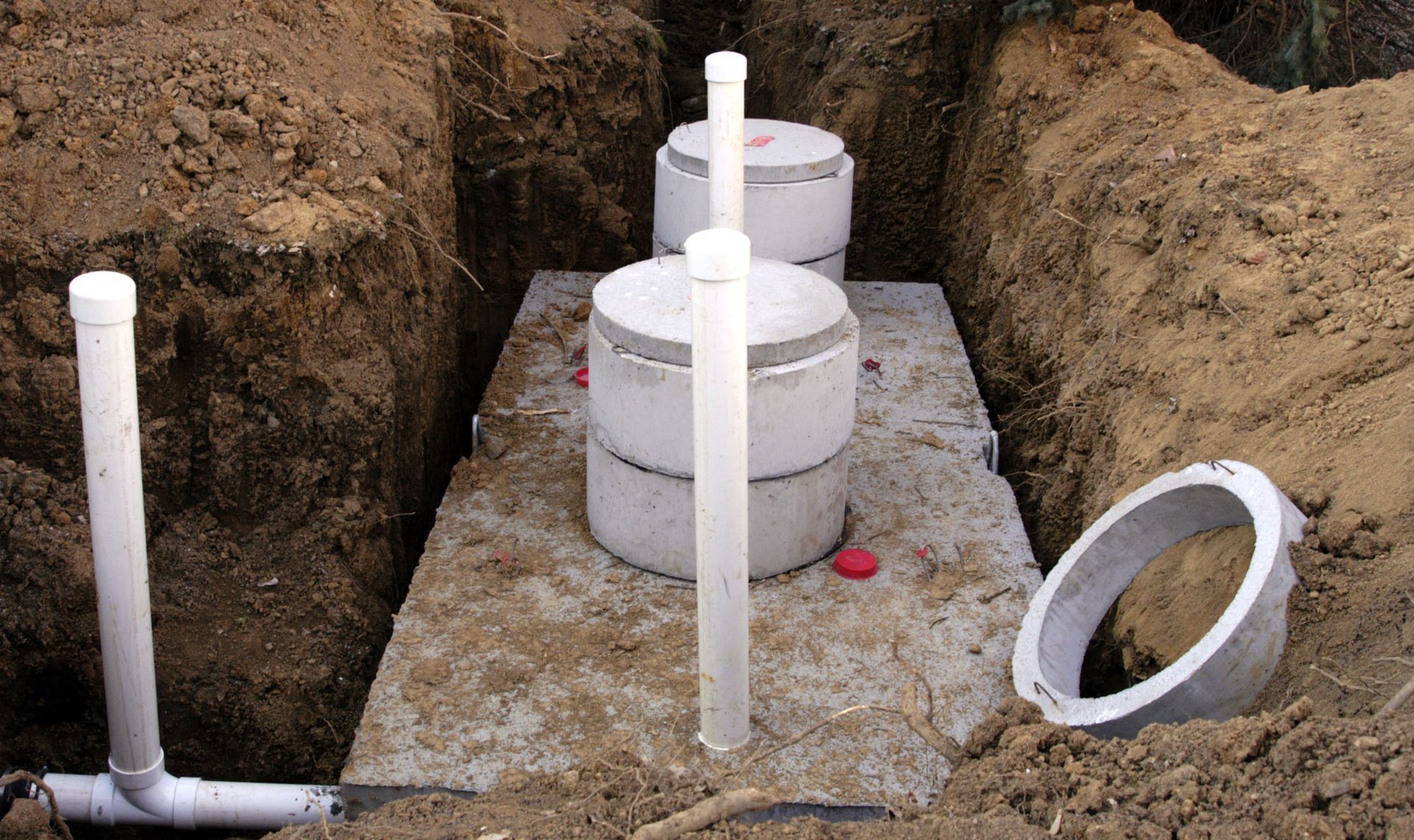
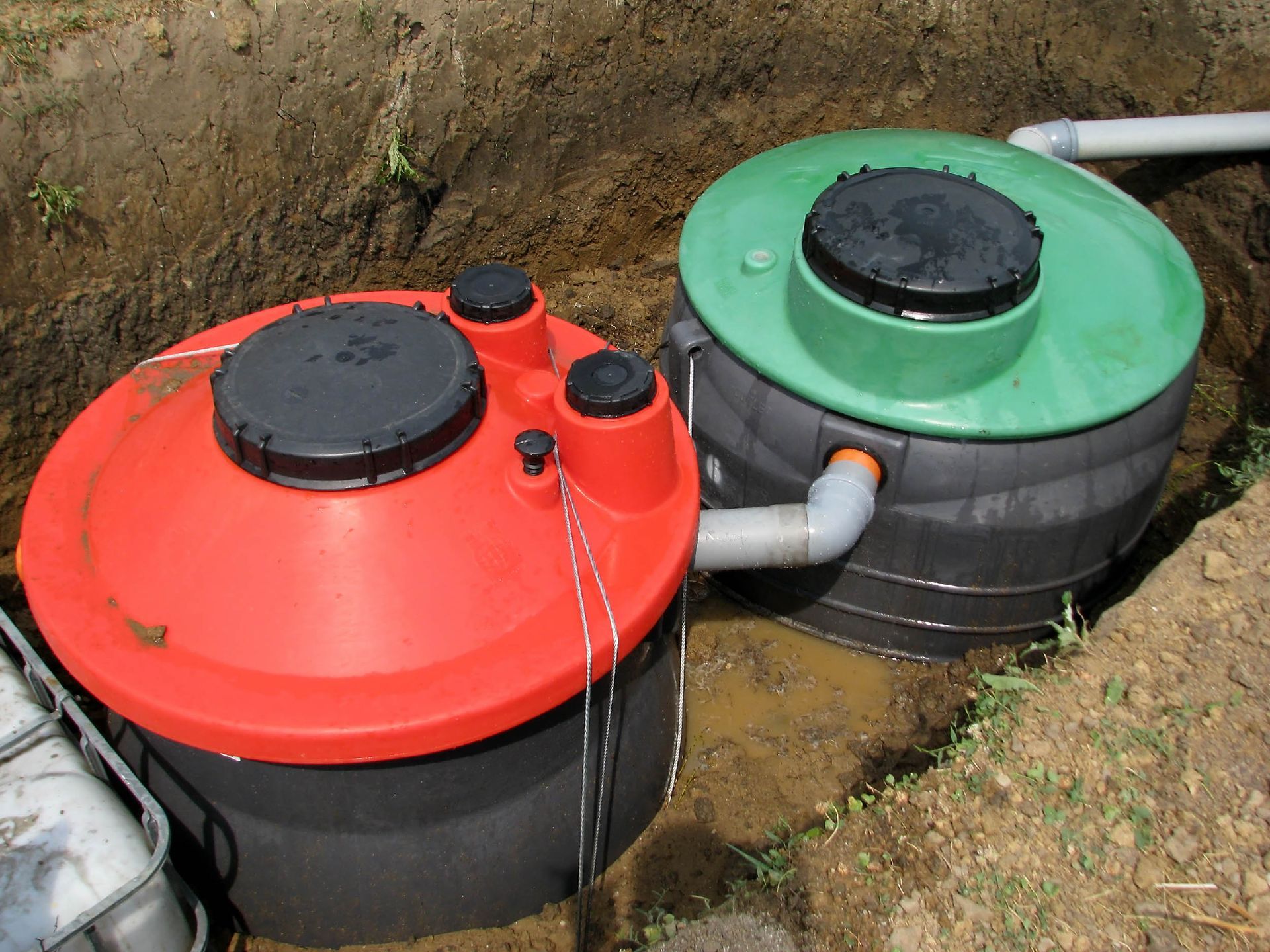
Materials and system components are another important consideration. Estimates may include the septic tank, distribution piping, access risers, distribution boxes, pumps, filters, and other equipment required for proper operation. Alternative systems may involve additional treatment units, electrical connections, alarms, or specialized controls that require ongoing professional attention.
Permits, inspections, and site evaluations should also be considered. Depending on local requirements, homeowners may need soil testing, a site assessment, an approved system design, and inspections before the installation can be completed. These requirements help ensure the system is appropriate for the property and complies with applicable regulations.
Beyond installation, septic estimates should address anticipated maintenance expenses. These may include routine inspections, tank pumping, filter cleaning, pump servicing, and occasional replacement of worn components. According to Forbes, the Environmental Protection Agency recommends having a septic tank professionally pumped at least every five years, with pumping potentially needed as often as every two years depending on household and system conditions.
Why Is Long-Term Maintenance Essential for Septic Systems?
Long-term maintenance is essential because septic systems continuously process household wastewater, separate solids, and distribute treated effluent into the surrounding soil. Over time, accumulated solids, damaged components, excessive water use, and unsuitable materials entering the system can interfere with these processes.
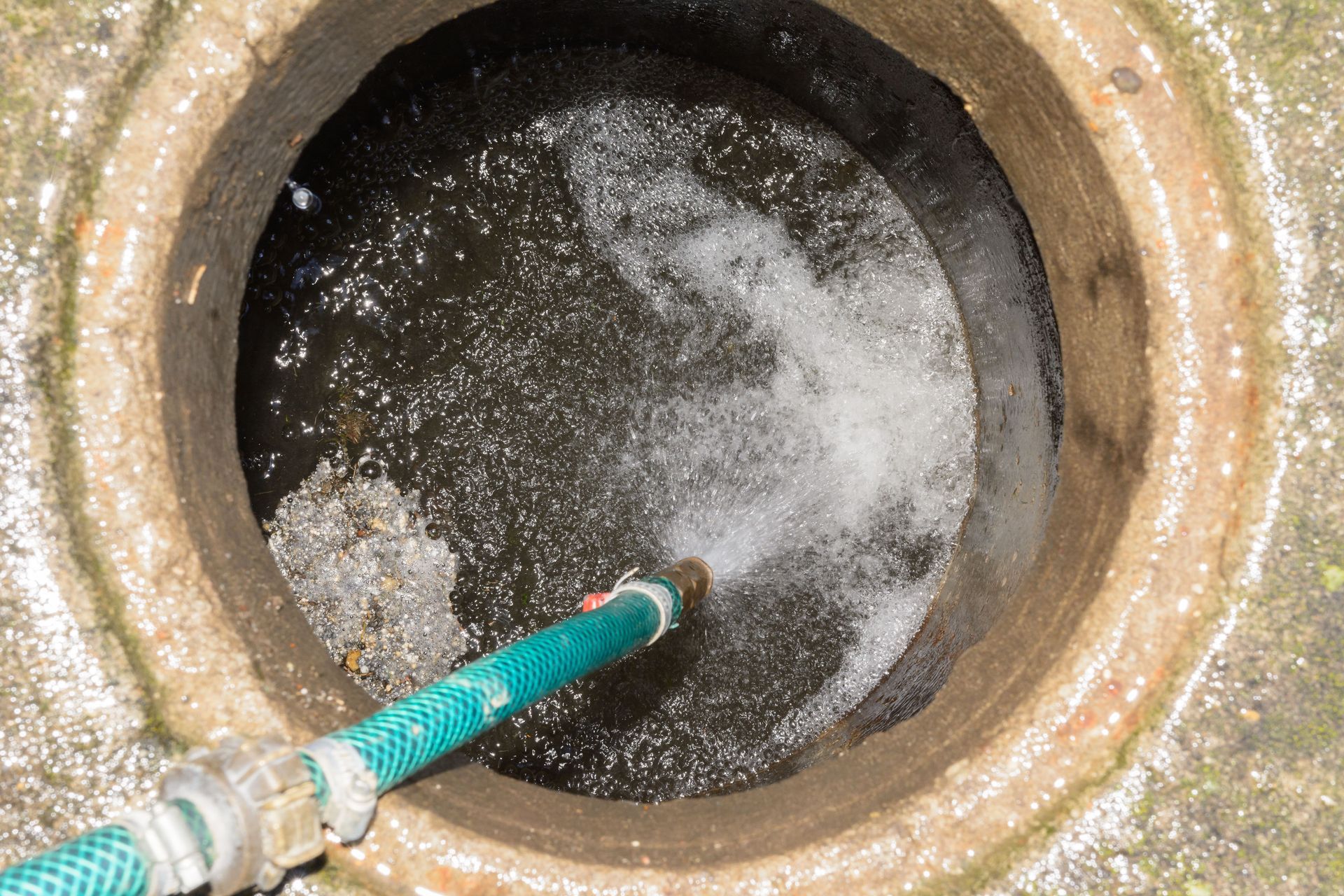
Routine inspections help identify developing problems before they become serious failures. A professional may check liquid levels, inspect accessible components, evaluate filters, and look for warning signs such as leaks or unusual odors. Tank pumping removes accumulated sludge and scum before excessive buildup interferes with normal operation.
Maintenance also protects the drainfield, which is often one of the most expensive system components to repair or replace. Excessive wastewater loading, vehicle traffic over the drainfield, and improper disposal of grease or nonflushable products can compromise its ability to disperse wastewater. Once a drainfield becomes severely damaged, restoration may require extensive excavation and significant expense.
How Can Homeowners Prepare for Long-Term Septic System Costs?
Preparing for long-term septic expenses begins with establishing a realistic maintenance budget. Homeowners should ask contractors about recommended inspection intervals, typical pumping frequency, anticipated component replacements, and the costs of any specialized servicing. These details can then be incorporated into an annual savings plan.
When comparing septic estimates, it is helpful to distinguish predictable maintenance costs from less frequent, higher-cost repairs. Inspections and pumping can generally be scheduled in advance, while pump failures, plumbing damage, and drainfield problems are more difficult to predict. Setting aside money for both categories provides greater financial flexibility.
Homeowners should also consider the characteristics of their property and household. A larger household may generate more wastewater and require more frequent pumping than a smaller household. Garbage disposals, water-intensive appliances, and certain wastewater treatment technologies can also influence maintenance requirements.
Conserving water is another practical way to reduce strain on the system. Repairing leaking faucets, spacing out laundry loads, and avoiding simultaneous use of multiple water-intensive fixtures can help prevent excessive hydraulic loading. Homeowners should also avoid flushing wipes, sanitary products, cooking grease, and other materials that can obstruct pipes or interfere with treatment.
Keeping accurate maintenance records makes future planning easier. Receipts, inspection reports, pumping dates, and repair invoices help establish service history and identify recurring expenses. These records are also useful when requesting updated septic estimates or selling the property.
What Happens If Long-Term Maintenance Is Neglected?
Neglecting septic maintenance can lead to problems that become increasingly expensive as damage progresses. When tanks are not pumped as needed, accumulated solids may interfere with treatment or move into downstream components. This can contribute to clogged filters, obstructed piping, and premature drainfield failure.
Early warning signs may include slow drains, gurgling plumbing, persistent sewage odors, unusually wet ground near the drainfield, or wastewater backing up into the home. These symptoms warrant prompt professional evaluation. Waiting for a complete system failure can increase repair costs and potentially create health and environmental hazards.
Financial consequences extend beyond the cost of repairing damaged equipment. A malfunctioning system may require emergency service, temporary changes to household water use, excavation, landscaping restoration, or even complete replacement. Depending on local regulations and property conditions, replacing a failed drainfield can be particularly expensive.
Neglect can also complicate property transactions. Prospective buyers may request inspection records or require repairs before closing. Documented maintenance demonstrates responsible ownership and provides useful evidence of the system's condition.
Homeowners who initially choose between
septic estimates based only on installation price may therefore overlook expenses that could have been anticipated. Comparing the long-term maintenance requirements of different systems helps clarify their true financial implications.
Ultimately, accounting for long-term maintenance from the beginning allows homeowners to approach septic ownership with greater financial confidence. A well-maintained system can provide dependable wastewater treatment for years, making preventive care an important part of protecting both the household investment and the surrounding environment. If you need septic services, reach out to Southern Septic today!
Share On: