How Often Should You Schedule Septic Services?
Maintaining a healthy home ecosystem requires consistent attention to underlying infrastructure that usually stays out of sight. Homeowners often overlook wastewater management until visible problems arise, creating costly emergencies that proper planning could easily prevent. Understanding the precise timeline for professional care guarantees that your property remains safe, sanitary, and fully operational throughout every season. A well-managed system operates quietly in the background, treating wastewater efficiently and protecting local groundwater supplies. By taking a proactive approach to routine care, property owners safeguard their financial investment while ensuring long-term peace of mind. Every property possesses unique operational demands influenced by household habits, structural design, and environmental conditions. Establishing an appropriate schedule for comprehensive septic services requires evaluating key usage factors, understanding regulatory guidelines, and recognizing subtle indicators of wear before minor issues escalate into major structural disruptions.
Understanding Basic Maintenance Needs
Determining the ideal timeframe for professional routine care involves balancing regulatory guidelines with actual operational demands. According to AmeriSave, EPA recommends inspections every 3 years and pumping every 3-5 years for typical households. This general guideline serves as an excellent starting point for property owners seeking to establish a predictable maintenance calendar. However, overall usage patterns and family size significantly influence how quickly solid waste accumulates inside the primary collection tank. Larger families naturally generate greater wastewater volumes, accelerating the rate at which solids accumulate and requiring more frequent professional intervention. Ignoring these established guidelines increases the likelihood of system back-ups and severe structural damage that requires extensive rehabilitation.
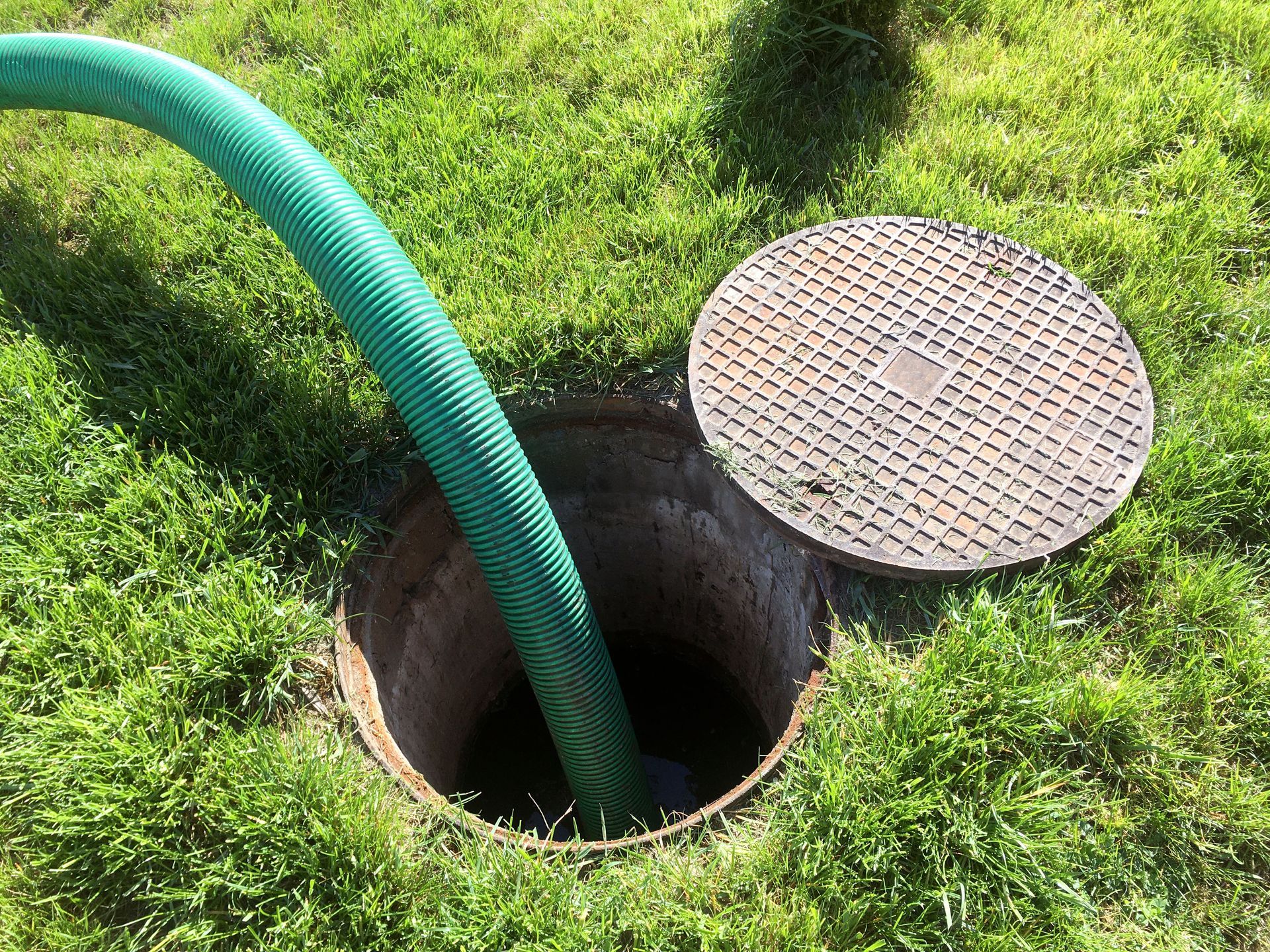
Routine evaluations allow trained specialists to measure scum and sludge layers accurately, ensuring timely intervention before total tank capacity becomes compromised. During an evaluation, technicians examine structural components, check baffles for signs of erosion, and assess overall system efficiency. Property owners who adhere to regular scheduling avoid the unpleasant consequences of unexpected plumbing backup inside the home. Furthermore, consistent monitoring prolongs the life expectancy of underground infrastructure, maximizing return on investment over decades of ownership. Timely intervention ensures that liquid effluent flows smoothly into the absorption area without carrying harmful solids. Ultimately, engaging comprehensive septic services guarantees that minor mechanical issues are caught and corrected before causing severe environmental contamination or structural collapse.
Monitoring Household Water Volumes
Daily water usage dramatically impacts how frequently an underground treatment system requires complete emptying and detailed evaluation. High-volume water usage forces liquid through the tank at an accelerated rate, leaving insufficient time for solid waste to settle properly at the bottom. When solids remain suspended in liquid effluent, they carry over into the absorption field, clogging soil pores and causing premature field failure. Simple domestic habits such as running multiple laundry loads simultaneously or leaving fixtures leaking can overburden the system beyond intended design capacity. Reducing excessive water consumption protects the biological balance within the tank, allowing beneficial bacteria to break down organic matter effectively.
Implementing water conservation practices throughout the home helps stabilize internal system dynamics and extends the time between required pump-outs. Installing low-flow fixtures, fixing plumbing leaks promptly, and spreading laundry chores across several days prevents hydraulic overload. When water flow remains steady and manageable, solid waste separates efficiently into distinct scum, liquid, and sludge layers. This optimal separation prevents solid material from migrating into sensitive drain field lines where blockages cause catastrophic failure. Property owners who actively manage daily water output enjoy more predictable maintenance cycles and reduced long-term operating costs. Consequently, scheduling specialized septic services ensures that your entire plumbing system handles domestic wastewater without experiencing operational strain.
Preventing Unexpected System Failures
Waiting for catastrophic failure before seeking professional assistance leads to excessive repair costs and hazardous environmental conditions. Early warning signs often appear subtle, requiring attentive monitoring by property owners who know what indicators to watch for. Slow-draining sinks, sluggish toilets, and gurgling sounds within indoor plumbing fixtures frequently signal that the main storage container is reaching maximum capacity. Additionally, persistent foul odors near the underground tank or above the absorption area indicate escaping gases caused by system blockages or structural leaks. Utilizing routine septic services prevents these mild symptoms from developing into hazardous sewage overflows that threaten family health and property value.
Lush green patches of grass growing directly over the absorption area during dry seasons present another clear indicator of hidden system distress. When liquid effluent fails to percolate correctly through underground soil layers, it rises toward the surface, over-saturating the grass above and creating soggy patches. Standing water or spongy ground around the drain field requires immediate evaluation to prevent untreated wastewater from entering surrounding soil or surface runoff. Ignoring these obvious warning signals increases the risk of severe environmental contamination and complete system replacement. Regular professional monitoring identifies underground leaks, component failures, and drainage blockages long before surface symptoms compromise property safety and comfort.
Managing Everyday Waste Products
What enters household drains directly dictates how well an underground treatment facility functions over extended periods of operation. Non-biodegradable items, harsh cleaning chemicals, synthetic products, and cooking greases should never enter the drainage infrastructure. Garbage disposals also introduce fine organic particles that increase sludge accumulation rates, requiring more frequent professional clearing. Chemical cleaners and antibacterial agents kill essential micro-organisms that break down solid waste naturally within the primary retention chamber. Preserving this delicate biological ecosystem requires thoughtful consumption habits and careful disposal of household chemicals.
Educating household members about proper waste management practices protects sensitive underground components from premature wear and blockages. Avoiding flushing personal wipes, paper towels, feminine products, and dental floss preserves clear fluid passages throughout the entire network. Similarly, diverting roof gutters, sump pumps, and surface drainage away from the absorption area prevents excess water from saturating surrounding soil. Maintaining proper soil moisture levels ensures efficient wastewater filtration and long-term absorption capability across all seasons. Investing in quality septic services helps homeowners maintain proper biological balances and clear physical obstructions that accumulate naturally over time.
Selecting Professional Care Solutions
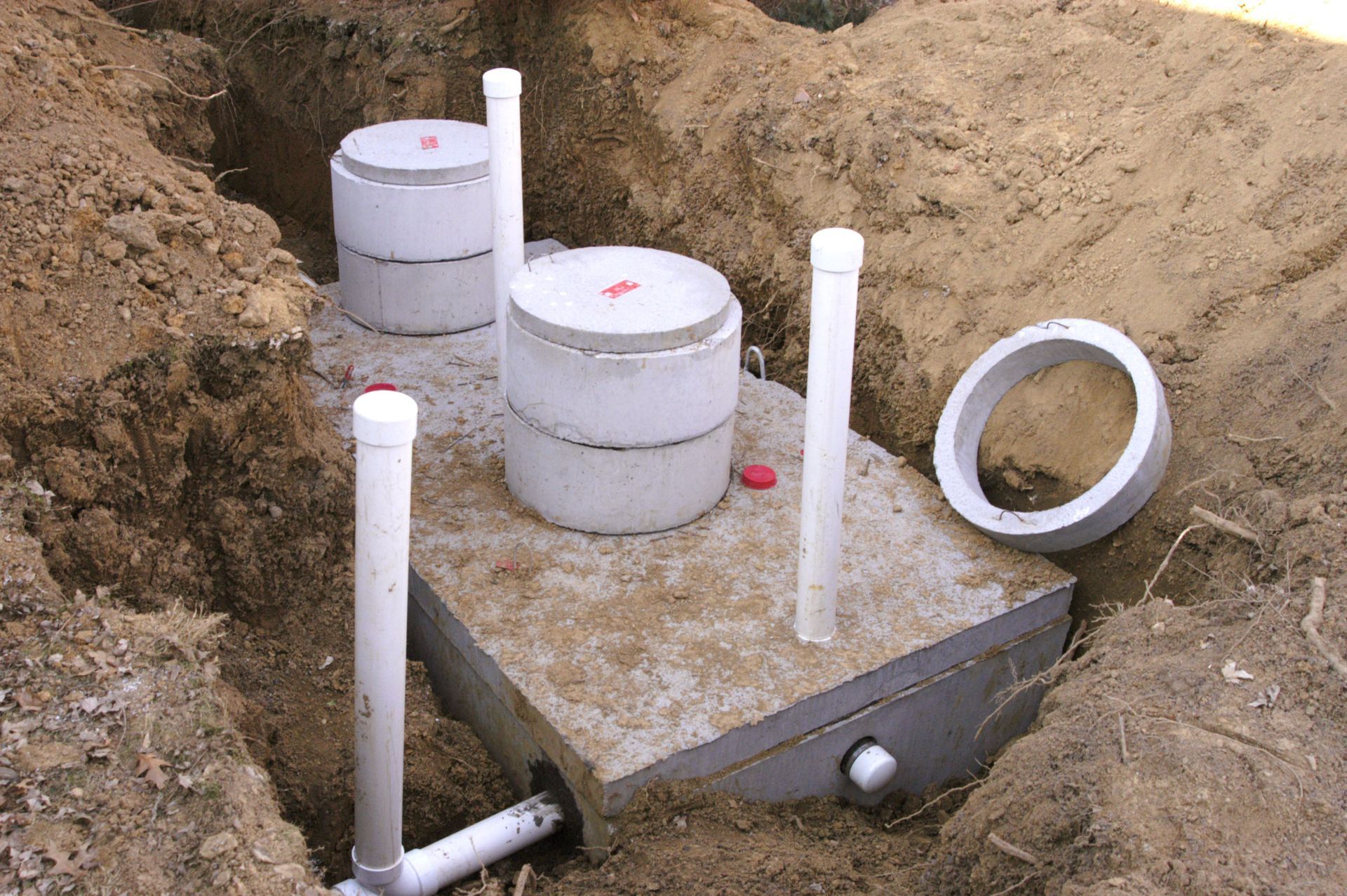
Choosing qualified professionals ensures that routine maintenance operations follow strict safety protocols and local environmental regulations. Certified technicians possess specialized equipment required to remove heavy sludge deposits, clear obstructed lines, and inspect underground chambers thoroughly. Attempting DIY solutions or hiring uncertified individuals often results in incomplete cleaning, incorrect diagnostics, and accidental structural damage. Experienced specialists provide detailed documentation of system condition, helping homeowners track historical performance and anticipate future service requirements accurately. Partnering with trustworthy septic services provides essential peace of mind, knowing that critical infrastructure receives expert care and technical precision.
Regular professional care ultimately saves property owners thousands of dollars by preventing full system replacements and environmental fines. Routine cleanouts prevent heavy solids from invading drain field lines, preserving the natural filtering capability of surrounding soil. Furthermore, professional technicians identify early signs of physical degradation, such as cracked baffles or deteriorating tank walls, before complete structural collapse occurs. Comprehensive maintenance plans simplify long-term planning, transforming unexpected plumbing emergencies into predictable, manageable operational expenses. Selecting experienced service providers ensures that your home remains compliant with health codes while maintaining consistent wastewater treatment efficiency.
Taking proactive steps toward regular underground maintenance protects home values, preserves local environmental quality, and guarantees reliable daily comfort. Staying informed about recommended service intervals and monitoring daily usage habits prevents costly emergency situations before they disrupt daily life. By relying on qualified professionals who understand local soil conditions and system designs, property owners secure long-term performance and complete peace of mind. Protecting your property investment begins with establishing a consistent care schedule tailored to your specific household needs. For dependable ongoing care, expert inspections, and comprehensive maintenance solutions, reach out directly to the experienced team at Southern Septic.
Share On: