What to Expect When Going Through a New Septic Installation
The process of upgrading or constructing residential wastewater infrastructure represents a significant home improvement project for property owners. Moving forward with a complete replacement requires clear oversight, careful coordination, and a firm understanding of every phase from initial ground evaluation to final site restoration. By taking time to learn what occurs during each phase of planning a new septic installation, homeowners can remove uncertainty and make informed choices about their property health. Knowing what to expect allows families to prepare their household routines, collaborate seamlessly with certified contractors, and ensure their wastewater setup meets all local environmental standards.
Evaluating Household Needs and Capacity
Property owners often discover that their existing infrastructure requires major structural work when routine performance degrades beyond simple repair options. Persistent plumbing backups, sluggish drain clearing, foul outdoor odors, and pooling water above buried tanks serve as clear signals that the system can no longer manage daily household output. Aging components struggle under modern household usage demands, leading to frequent emergency pumping interventions and localized drain field oversaturation. Evaluating system health early allows homeowners to determine whether targeted drain repairs will solve the problem or if moving forward with a septic installation offers the safest long-term resolution.
Environmental standards and local health regulations also play a major role in determining when an old setup must be retired. Outdated tanks made from legacy materials can deteriorate, releasing untreated wastewater into underground aquifers and surrounding soil layers. Upgrading to a modern unit eliminates these hazards by improving effluent breakdown and preventing environmental contamination around your property. Factoring in future household expansion, such as home additions or increased occupancy, ensures that your new infrastructure accommodates long-term usage requirements smoothly while fully protecting neighboring ecosystems.
Selecting the Appropriate System Type
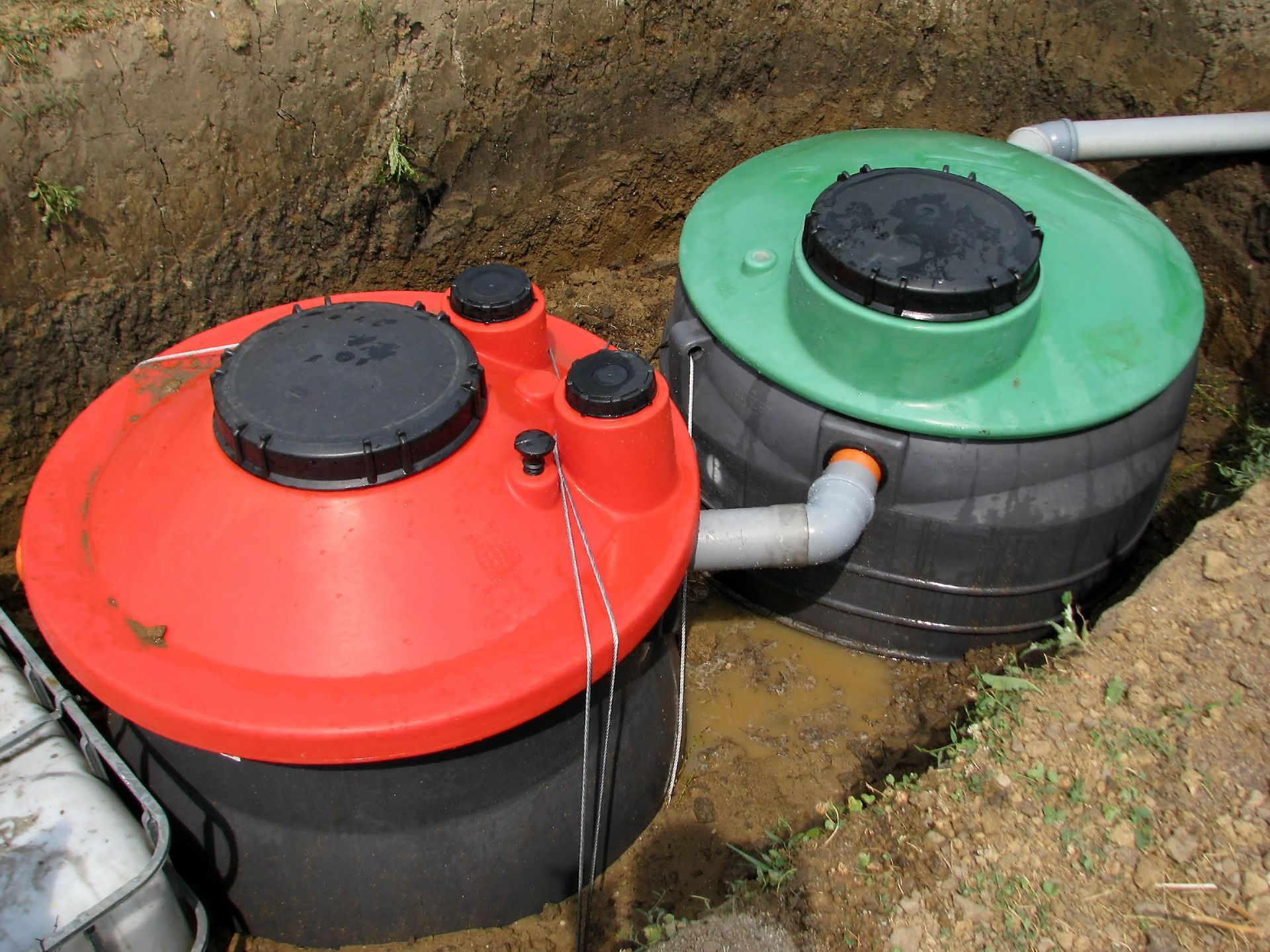
Choosing a new setup requires a detailed evaluation of your property layout, underlying soil characteristics, and local water table levels. Conventional gravity-fed systems, aerobic treatment units, and mound systems each serve distinct geological conditions and site restrictions. According to data from AmeriSave, roughly 25% of American households rely on decentralized wastewater systems to handle their daily needs. Understanding how these designs process household waste helps owners select a setup tailored specifically to their landscape, ensuring reliable performance and steady waste breakdown over many years of continuous use.
Working with experienced design professionals guarantees that your chosen model matches family water usage patterns and environmental regulations. Soil percolation testing and topography mapping dictate whether specialized equipment, such as effluent pumps or secondary filter media, must be incorporated. Choosing a septic installation tailored to your specific lot layout prevents unexpected system stress and minimizes future maintenance challenges. Consulting with licensed master contractors ensures that every mechanical element operates in harmony with your landscape while remaining compliant with regional building standards.
Preparing Property Grounds for Construction
Proper site evaluation forms the cornerstone of every successful underground infrastructure project. Master contractors analyze ground stability, mark underground utility lines, and establish clear access points for heavy excavation machinery before physical work begins. Selecting an optimal location for tank burial and drain field layout preserves nearby trees, keeps heavy traffic away from sensitive soil zones, and ensures optimal gravity or pump flow dynamics. Careful planning during this preparatory period protects your yard, prevents accidental utility disruptions, and establishes a clear layout for upcoming structural work.
Navigating local government approvals and environmental health permits represents another critical step prior to starting heavy equipment operations. Authorities enforce specific setback distances from property lines, water wells, and natural bodies of water to safeguard public health. Obtaining required permits ensures that every phase of your project adheres to municipal construction codes and environmental protection standards. Completing this regulatory work ahead of time prevents project delays, resolves compliance questions, and gives homeowners peace of mind before heavy digging begins. Homeowners preparing for a septic installation benefit greatly from organizing these regulatory details early in the project.
Executing Primary On-Site Construction Work
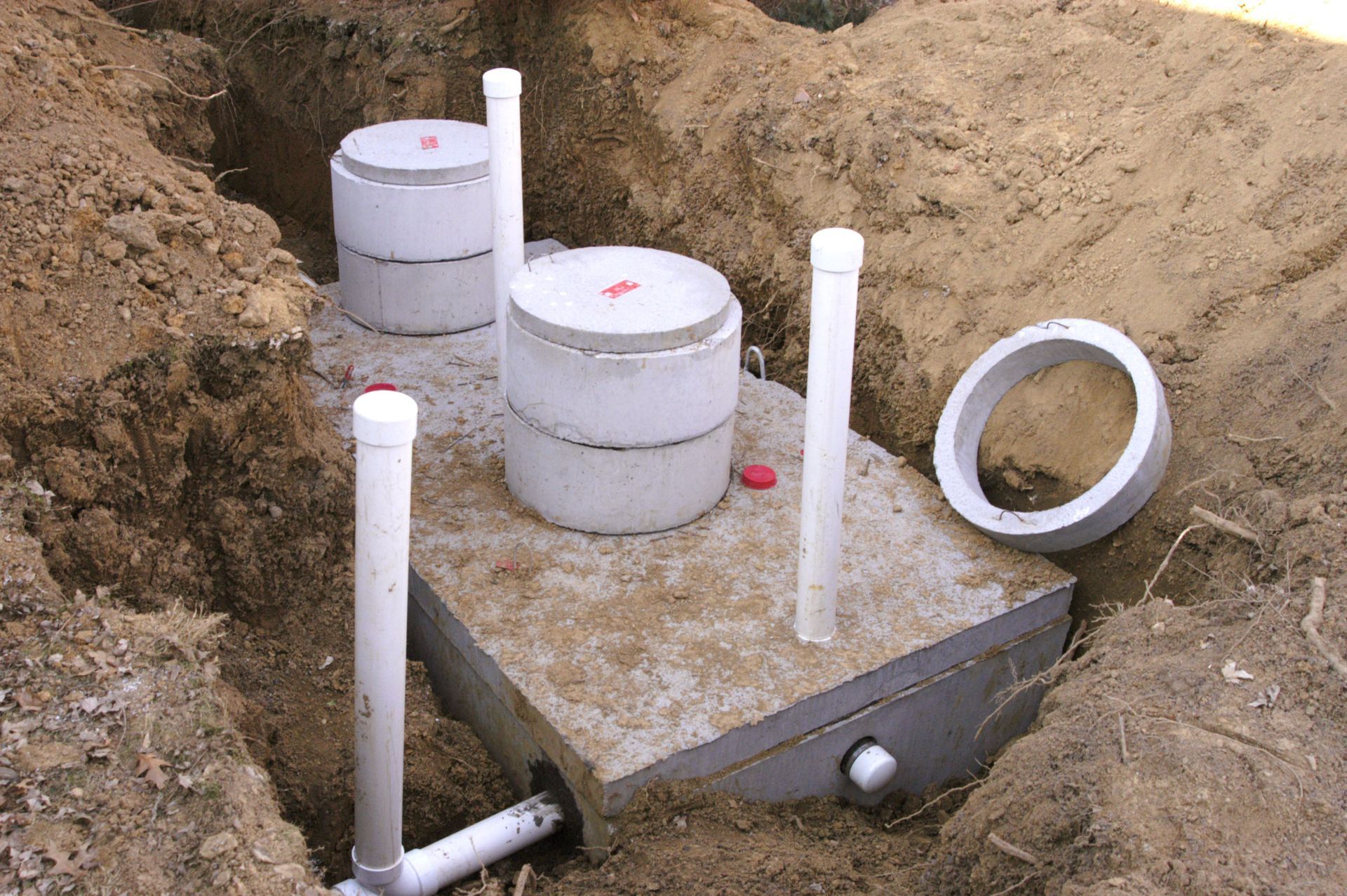
Ground clearing marks the official transition into physical construction, as operators remove surface debris, trees, and heavy roots from the designated work zone. Heavy machinery excavates the precise dimensions required for tank setting and trench distribution, taking care to maintain proper soil integrity at the base. Workers carefully level the cavity and lay stabilizing bedding material to support heavy concrete or polymer storage tanks. This foundational preparation ensures that buried components remain level and securely anchored over time without shifting, settling unevenly, or straining pipe connections.
Once main tanks rest securely in place, technicians assemble distribution piping, drain field media, and any necessary lift station equipment. Connecting the system to main household drain lines requires precise alignment and airtight sealing to guarantee smooth wastewater transfer without leakage. Official municipal inspectors typically review open excavations at this stage to verify compliance, proper trench depth, and correct pipe pitching before backfilling occurs. Once approved, operators backfill excavated areas with clean soil, smoothing the surface to complete the physical septic installation and prepare the grounds for surface restoration.
Maintaining Long-Term System Efficiency
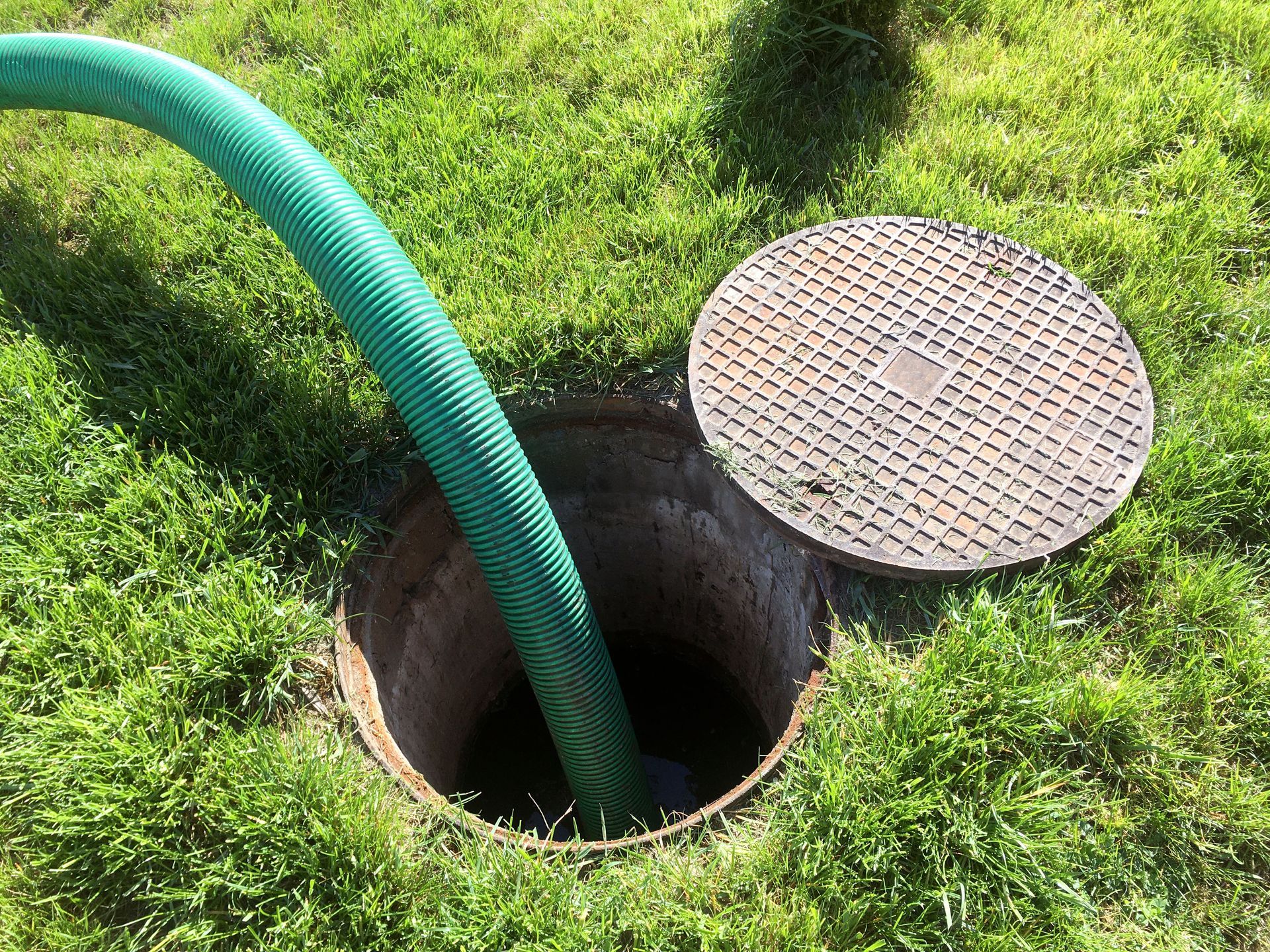
Conducting functional testing immediately following heavy construction confirms that all components operate as designed before regular household use begins. Technicians flood line connections, verify flow rates, check pump float calibrations, and test alarm systems within specialized treatment units. Continuous oversight during the initial operating period helps identify minor flow adjustments or settling issues early on. Practicing routine maintenance habits, including scheduling professional tank pumping every few years, keeps solid buildup from reaching output pipes and protects delicate absorption fields from premature clogging or failure.
Homeowners can prolong their system lifespan by practicing smart water management and protecting their absorption area from heavy surface loads. Avoiding excessive water usage during laundry cycles prevents system flooding, while keeping vehicles off the drain field preserves soil permeability. Promptly addressing minor issues like slow drains or pipe leaks prevents widespread damage across your entire infrastructure. Following proper care practices after completing a septic installation protects your property investment, supports community health, and ensures uninterrupted wastewater management for decades to come.
Reviewing Overall Project Funding Pathways
Planning for underground utility construction involves evaluating immediate equipment needs alongside future long-term care requirements. A comprehensive project plan accounts for initial site surveying, heavy excavation work, component delivery, and structural assembly. Homeowners should also consider ongoing operational maintenance, such as routine tank pumping, periodic filter cleaning, and mechanical inspections. Organizing a dedicated home improvement budget allows property owners to select durable, high-performing materials that deliver exceptional reliability over time, avoiding low-grade alternatives that might fail prematurely under everyday household demands.
Property owners often explore various financial channels, including home equity lines, specialized environmental loan programs, or municipal improvement grants designed to upgrade residential waste infrastructure. Engaging with professional contractors helps homeowners understand project scope and schedule requirements, preventing unexpected scope changes or timeline delays. Funding your septic installation through flexible financing arrangements keeps your project on track without creating undue financial stress. Investing in professional craftsmanship ensures that your underground infrastructure operates smoothly, protects local water supplies, and adds lasting value to your home.
Investing in a brand-new wastewater treatment setup is one of the most vital property improvements a homeowner can undertake, ensuring public health, environmental safety, and home functionality. Understanding every stage of the process, from initial site evaluations and municipal permitting to site excavation and routine system maintenance, provides complete confidence from start to finish. When you work with experienced master contractors, completing a
septic installation becomes a straightforward, manageable experience that protects your property value for years to come. Contact us at Southern Septic today to schedule your consultation and let our team handle all your wastewater management needs.
Share On: