The Importance of Regular Septic Inspections for Safety and Efficiency
Regular septic inspections are essential for homeowners who rely on onsite wastewater systems. Many individuals neglect these evaluations, only addressing problems once they arise. However, proactive inspections prevent health risks, protect water supplies, reduce environmental hazards, and avoid costly repairs. According to This Old House, a septic tank should be inspected regularly, on average every two to three years, for safety and functionality. By scheduling routine inspections, homeowners ensure their systems operate efficiently, prolong their lifespan, and maintain property value.
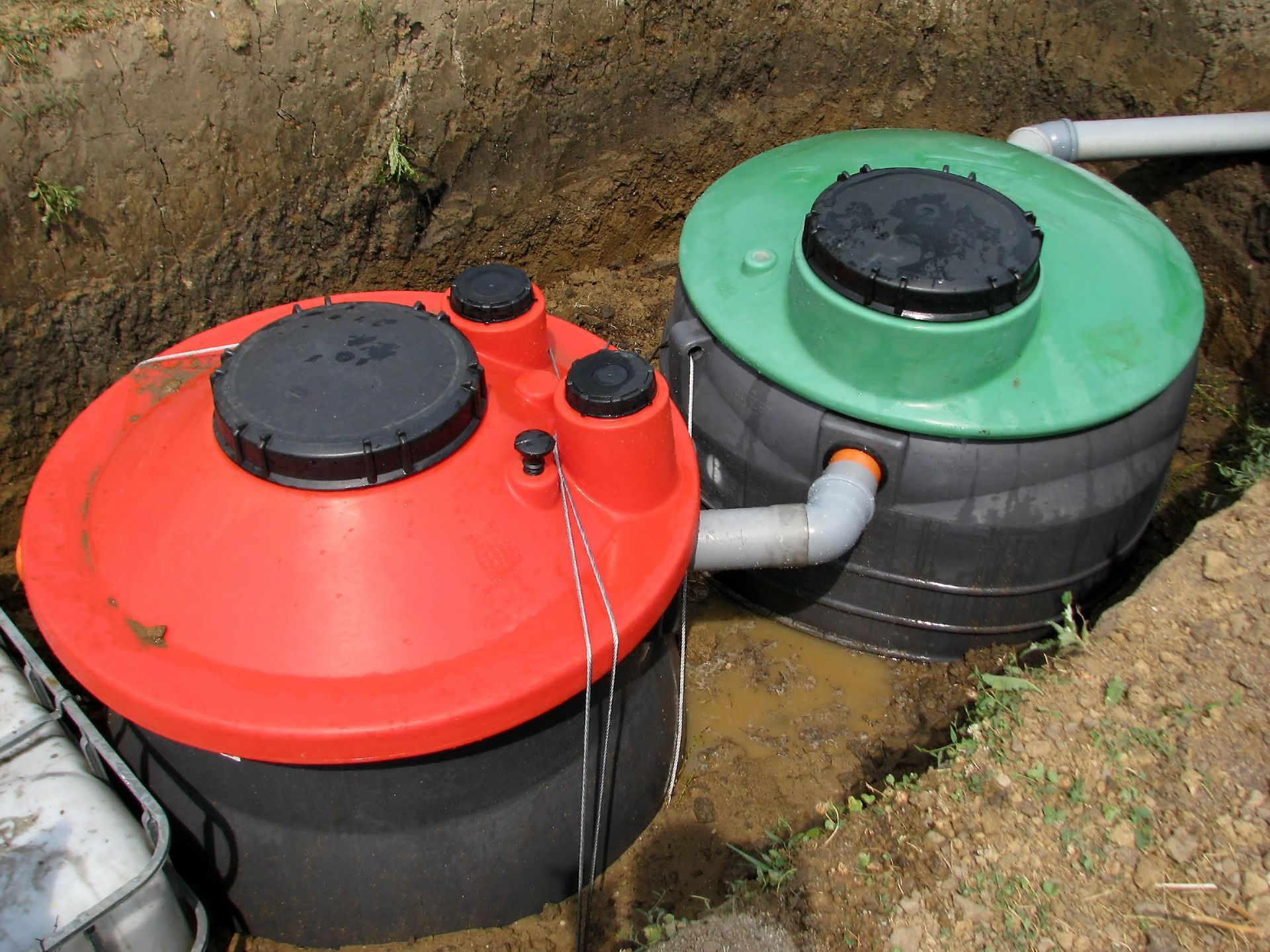
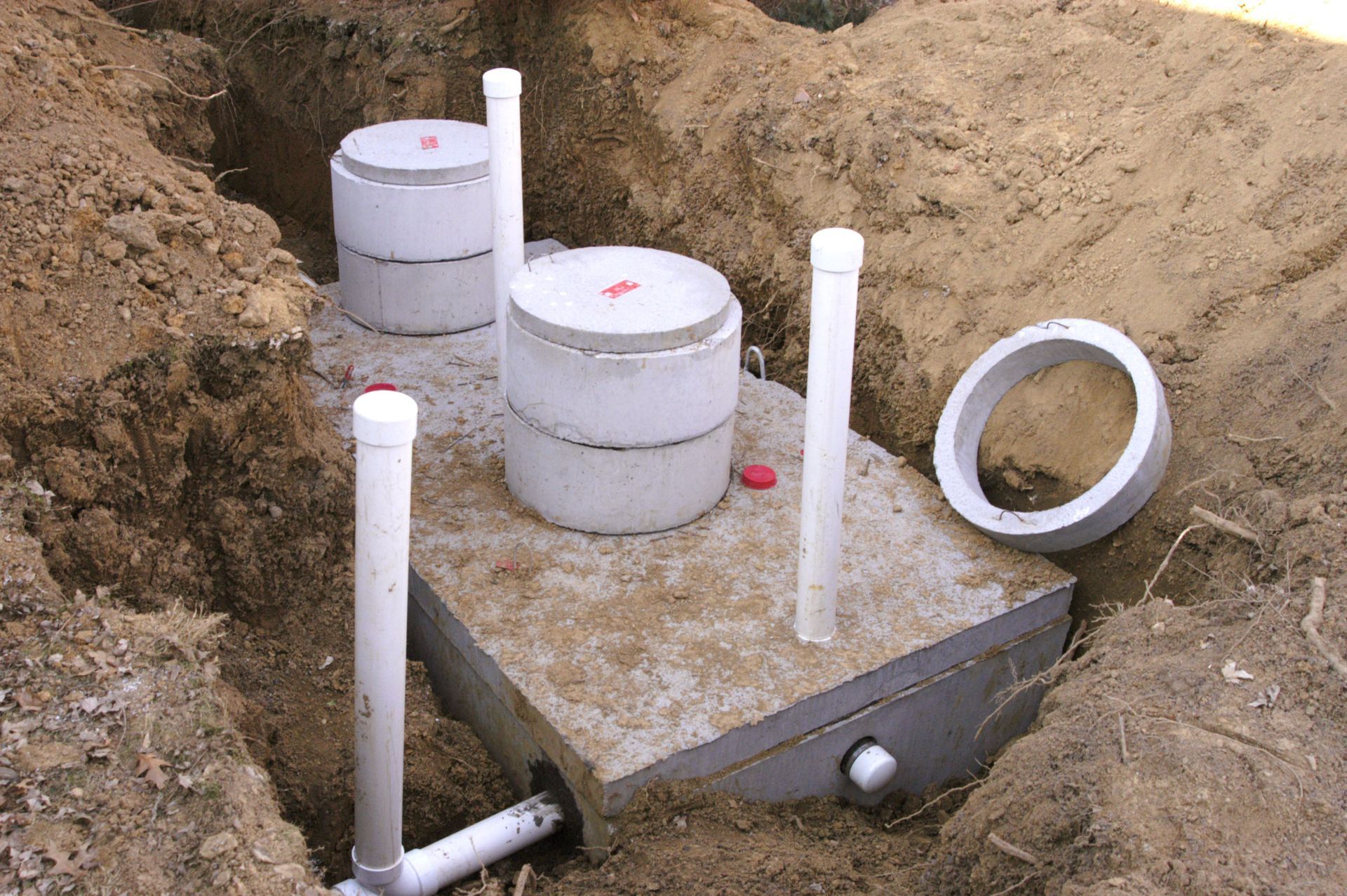
Septic systems, typically consisting of a septic tank, drain field, and soil absorption area, manage household wastewater effectively when maintained properly. Wastewater enters the septic tank, where solids settle, and microorganisms begin the decomposition process. Liquids then flow to the drain field for additional filtration through the soil. Inspections confirm that these processes are functioning correctly, preventing leaks, backups, or environmental contamination. Conventional systems rely on gravity, while alternative systems, such as aerobic treatment units or mound systems, use advanced technologies to handle unique site conditions. Regardless of type, regular inspections are key to long-term system health.
Protecting Health and the Environment Through Inspections
Routine septic inspections play a vital role in safeguarding public health and the environment. Without proper maintenance, systems can leak wastewater, creating breeding grounds for bacteria and pests. Early detection during inspections prevents these hazards, protecting families and nearby communities. Leaks or system failures can contaminate groundwater, streams, and other water sources, posing severe risks if left unchecked. Inspections not only identify such leaks but also ensure that treatment processes continue to protect drinking water.
Environmentally, a failing septic system can release untreated waste into the ecosystem, harming plants, wildlife, and soil quality. Regular evaluations help prevent ecological damage, demonstrating a homeowner's responsibility to sustainable practices. Additionally, inspections reduce the likelihood of system failures that could require emergency interventions. Early identification of warning signs such as slow drains, foul odors, or pooling water enables technicians to address issues before they escalate. Inspections also minimize pest and insect infestations, maintaining both household hygiene and system integrity.
Optimizing Performance and Extending System Lifespan
Regular septic inspections optimize system performance, ensuring that wastewater is processed and disposed of correctly. Technicians can identify blockages, leaks, or signs of wear that may reduce efficiency. Detecting these issues early prevents clogs, backups, and other costly malfunctions. By maintaining a balance between microbial activity, tank capacity, and drainage, inspections allow the system to operate smoothly over time.
Consistent inspections also extend the life of the septic system. Properly maintained tanks and drain fields can last decades, often exceeding their expected service life. Routine evaluations allow for timely adjustments and minor repairs that preserve functionality. By addressing problems early, homeowners avoid major replacements or emergency repair costs, translating into significant financial savings. Modern inspection technologies, including cameras and sensors, provide accurate assessments of system conditions, identifying hidden problems and enabling precise interventions. Through regular monitoring, septic systems remain durable, efficient, and environmentally sound.
Realizing Financial Benefits From Regular Inspections
Investing in regular septic inspections yields both immediate and long-term financial benefits. The cost of a routine inspection is minimal compared to the potential expense of repairing a failed system. Emergency repairs, especially those requiring extensive excavation or replacement, can cost thousands of dollars. Proactive inspections prevent such scenarios by identifying minor issues before they become major problems.
Well-maintained systems also enhance property value. Prospective buyers recognize a reliable septic system as a reflection of overall home care. A history of consistent inspections and maintenance can make a property more attractive and even support higher resale prices. Additionally, inspections reduce the risk of legal liability. Failing septic systems can cause environmental contamination, leading to fines or lawsuits. By keeping the system in optimal condition, homeowners avoid regulatory penalties and protect themselves financially.
Finally, regular inspections facilitate long-term financial planning. Knowing the condition of a septic system allows homeowners to anticipate maintenance costs, allocate resources efficiently, and avoid unexpected emergencies. This predictability supports household budgeting and overall financial stability, reinforcing the value of proactive maintenance strategies.
Overcoming Barriers to Regular Inspections
Despite the clear benefits, homeowners often face several barriers that prevent regular septic inspections. One of the most common obstacles is a lack of awareness. Many homeowners do not know the recommended inspection frequency or understand the potential consequences of neglecting their system. Without this knowledge, inspections may be deprioritized, leaving systems vulnerable to leaks, backups, or costly failures. Education campaigns, workshops, and community initiatives can play a crucial role in addressing this gap. By providing clear information on system operation, risks of neglect, and the importance of routine inspections, these programs empower homeowners to take proactive steps in maintaining their septic systems.
Cost is another significant concern for many households. While some perceive inspections as an unnecessary expense, reframing them as a preventive investment can shift this perspective. Routine inspections are far less costly than emergency repairs or full system replacements, which can run into thousands of dollars. Funding solutions, subsidies, and cost-sharing programs can further alleviate financial concerns, making inspections accessible for more homeowners. Highlighting the long-term savings and protection of property value can help families prioritize regular maintenance over short-term cost avoidance.
Inconvenience is also a common reason homeowners delay inspections. Many fear disruptions to their daily routines or concerns about access to the property. However, inspections are typically quick, minimally invasive, and easy to schedule around household activities. Planning ahead and coordinating with professional service providers can transform what may seem like an inconvenience into a manageable, routine task. By approaching inspections strategically, homeowners can prevent the far greater inconvenience and stress of system malfunctions or emergency repairs.
Finding qualified professionals is essential for ensuring inspections are effective and reliable. Technicians should possess the necessary certifications, experience, and knowledge of local regulations to conduct thorough evaluations. Homeowners can rely on community directories, recommendations from neighbors, or endorsements from local government programs to identify trusted professionals.
Building a Culture of Preventive Maintenance
Sustainable septic management depends on fostering a culture of prevention and maintenance. Homeowners who prioritize routine septic inspections reduce the likelihood of system failures, protect public health, and minimize environmental impact. Community education programs, workshops, and collaborative initiatives encourage shared responsibility, making regular inspections a standard practice rather than an optional task.
Successful septic programs demonstrate the benefits of coordinated community efforts. By sharing best practices, providing accessible resources, and supporting inspections, communities can enhance system reliability and environmental stewardship. Local government initiatives, including subsidies or maintenance campaigns, further encourage compliance and proactive care. Together, homeowners, communities, and authorities create a culture of prevention that ensures the long-term health and efficiency of septic systems.
Regular septic inspections are critical for maintaining safe, efficient, and environmentally responsible wastewater systems. By preventing health hazards, protecting water sources, and extending system lifespan, inspections offer clear safety, environmental, and financial benefits. Homeowners who commit to proactive evaluations reduce emergency repair costs, safeguard property value, and contribute to community well-being.
By overcoming barriers such as cost, inconvenience, and awareness, homeowners can fully benefit from routine
septic inspections. Leveraging modern technologies, community education, and regulatory guidance promotes a culture of proactive care. Prioritizing regular inspections ensures the system operates efficiently, safely, and reliably. Schedule your septic inspection today with Southern Septic to protect your home, your family, and your investment.
Share On: